


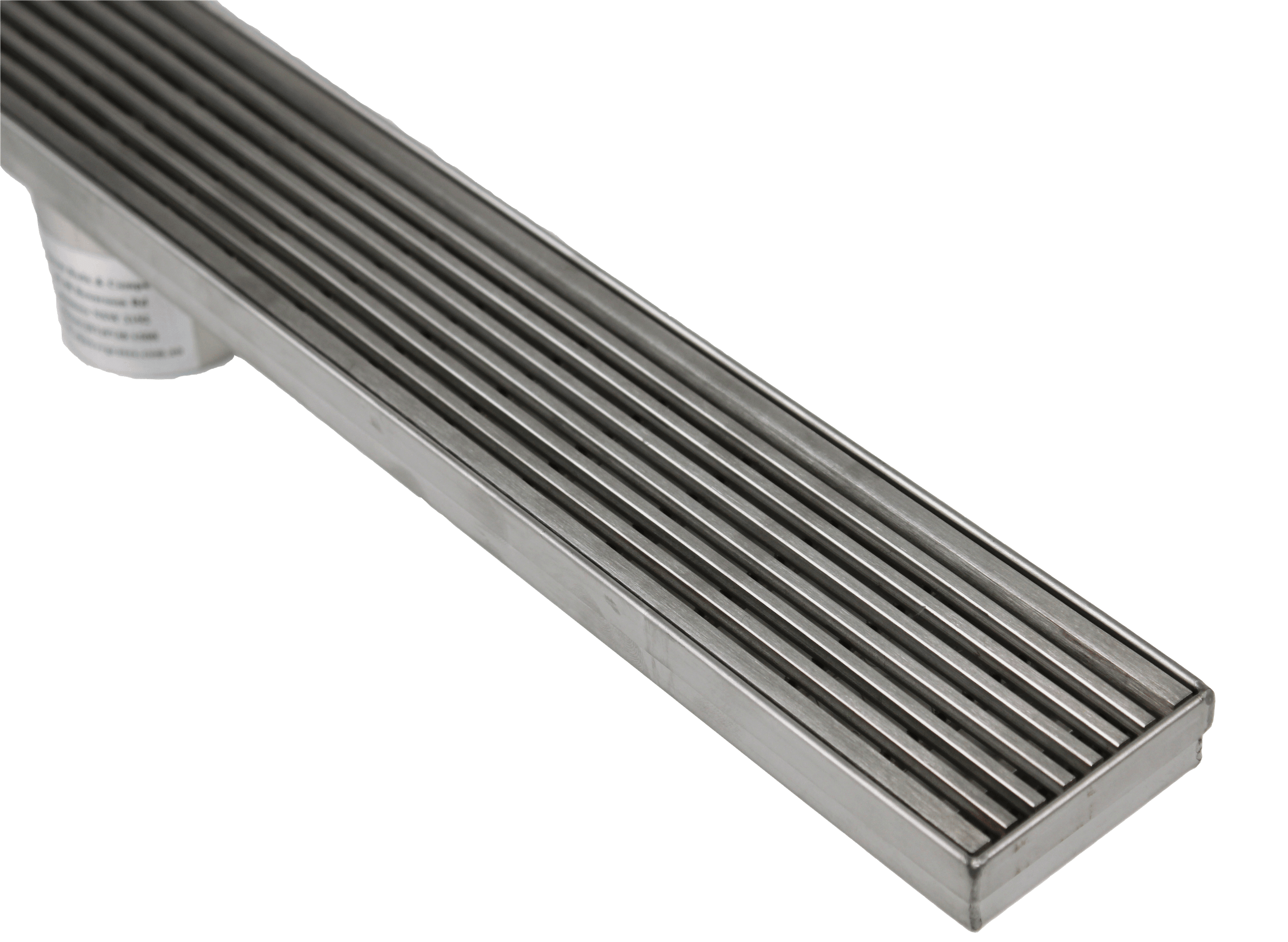
Why Your Driveway Drain Keeps Blocking (And How to Actually Fix It)
A driveway drain that blocks every time it rains is not doing its job. The water pools, backs up, and eventually finds its way into the garage or against the building - exactly the problem the drain was installed to prevent.
Before calling a plumber or ripping out the drain, understand the cause. Most driveway drain blockages come down to one of four issues - and three of them are fixable without replacing the drain.
The Four Causes
1. Debris Accumulation (Most Common)
Leaves, dirt, sand, and small stones wash into the drain channel and accumulate over time. If the channel is not cleared regularly, the debris reduces water capacity and eventually blocks the outlet.
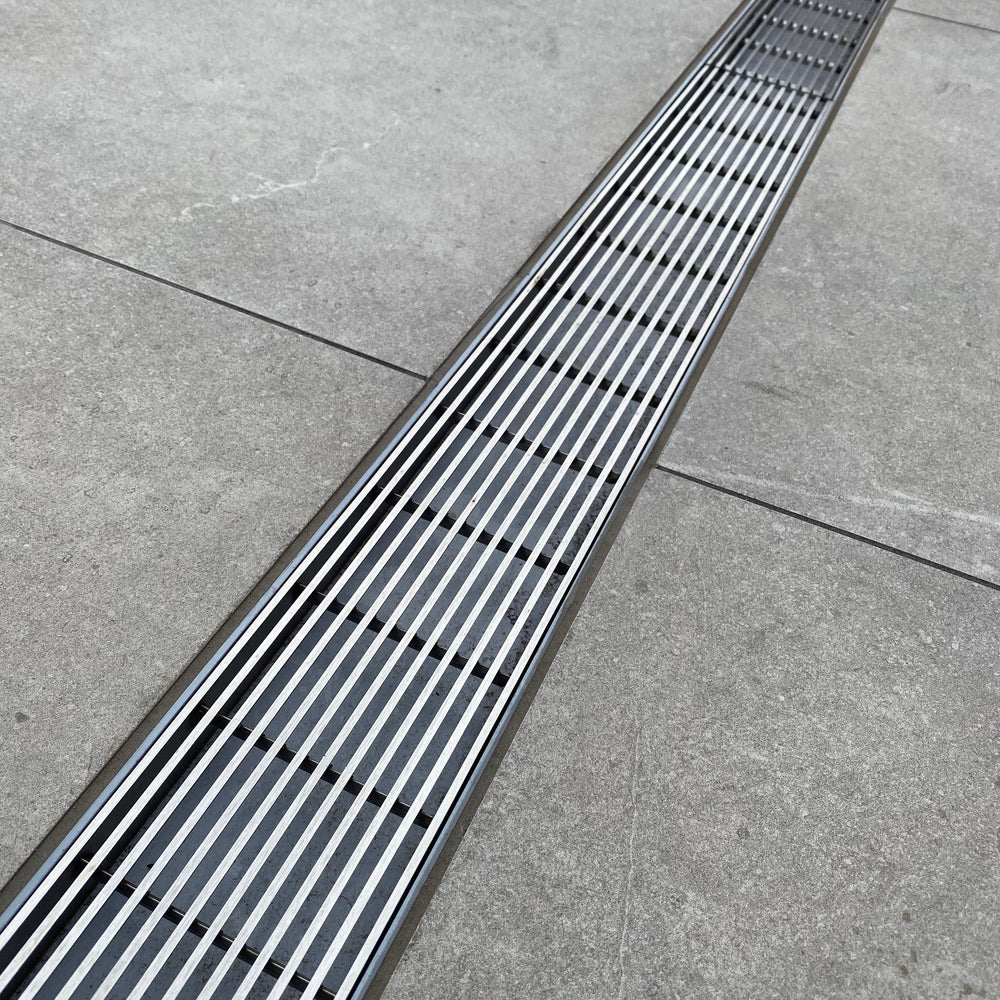
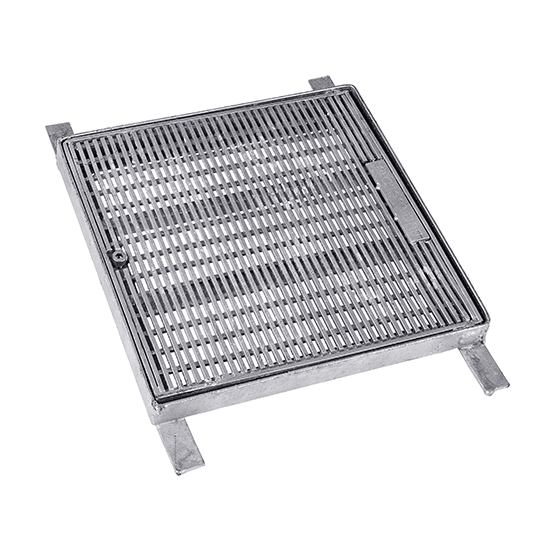
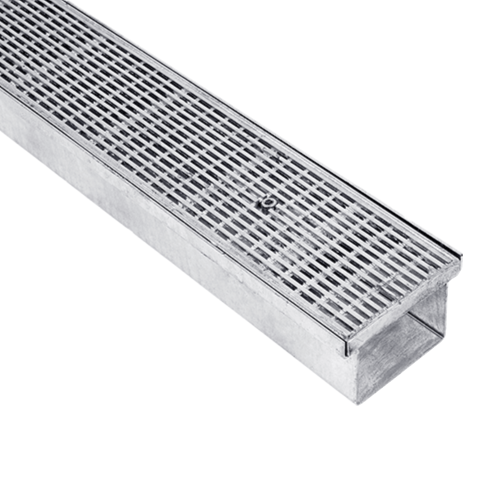
Fix: Lift the grate, remove debris from the channel body, and flush the outlet with a hose. This should be done monthly as routine maintenance, and immediately after heavy storms.
2. Outlet Blockage
Even if the channel is clear, a blockage in the outlet pipe or downstream connection stops water from draining. Tree roots, sediment buildup, or construction debris left in the pipe during the build are common culprits.
Fix: Clear the outlet with a plumber's drain snake or high-pressure water jet. For root intrusion, a plumber with a CCTV drain camera can diagnose and clear the blockage.
3. Insufficient Fall
If the driveway surface does not fall toward the drain at the required gradient (minimum 1:100), water does not reach the drain effectively. It pools on the surface or bypasses the drain entirely.
Fix: This is a construction issue. The driveway surface may need regrading, or the drain may need repositioning. In minor cases, a wider-profile drain or longer run can compensate.
4. Undersized Drain
A drain that was adequate for light rain cannot cope with heavy downpours. Undersized channels overflow, and water backs up across the driveway.
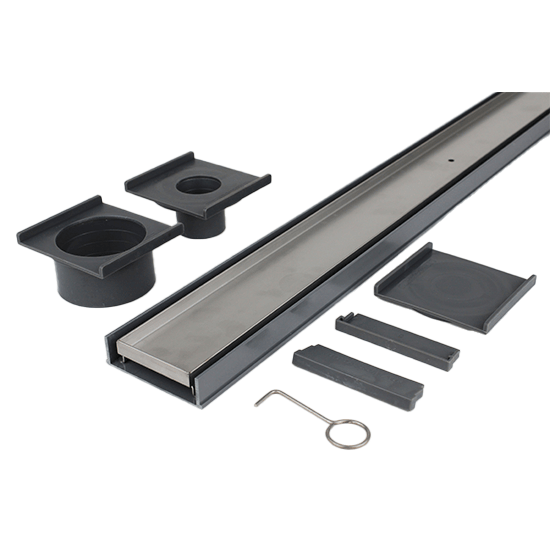
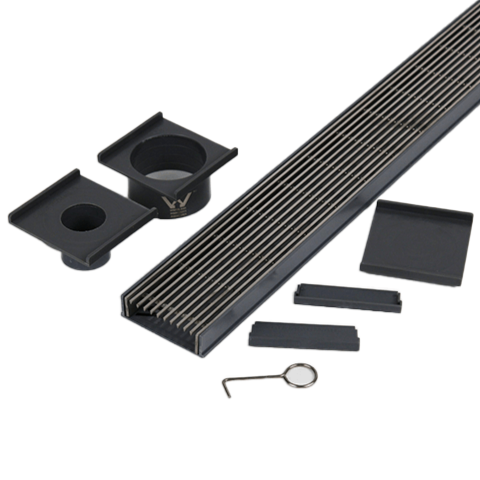
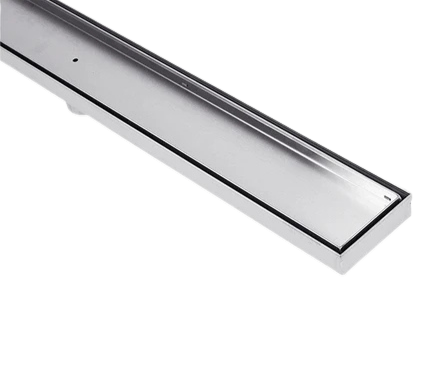
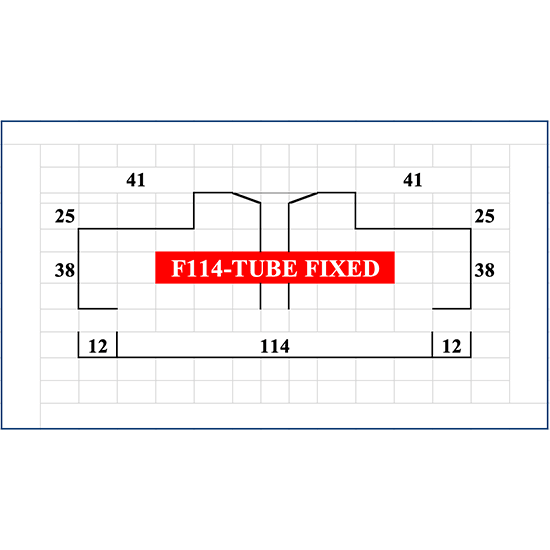
Fix: Upgrade to a wider or deeper drain channel. Vincent Buda and Company stocks trench drains in 125mm, 150 mm, 200 mm, and 300 mm widths - stepping up in width significantly increases capacity.
Prevention
| Action | Frequency |
|---|---|
| Lift grate, clear channel debris | Monthly |
| Flush outlet with hose | Monthly |
| Full inspection after heavy storms | After every major rain event |
| Check grate seating and frame condition | Annually |
| Trim nearby trees and vegetation | Seasonally |
Frequently Asked Questions
Q: Why does my drain overflow during heavy rain?
Either the channel is blocked, the outlet is obstructed, or the drain is undersized for the catchment area. Start by clearing the channel and flushing the outlet. If the problem persists, the drain may need upgrading.
Q: Can I prevent leaves blocking the drain?
Regular maintenance is the most effective prevention. Monthly clearing of the channel and outlet keeps the drain operating at capacity.
Q: How do I know if my drain is undersized?
If the drain overflows during moderate rain (not just extreme events), it's likely undersized. A 200 mm channel body suits most residential driveways — anything narrower may struggle with larger catchment areas.
Q: Where can I get replacement driveway drains?
Vincent Buda and Company stocks a full range of AS3996-compliant driveway drains — same day dispatch for Sydney Metro before 12 pm AEDT, or next day delivery Australia-wide.
Shop Driveway Drains
Shop Driveway Grates → buda.com.au/collections/driveway-grates
Trust the Buda Since 1957.