

Trench Drains for Driveways: Choosing, Installing and Maintaining Them
A trench drain across the driveway is the front line of a building's stormwater defence. Miss the spec and you're either replacing a buckled grate inside 12 months or watching water bypass the drain entirely and pool against the garage slab.
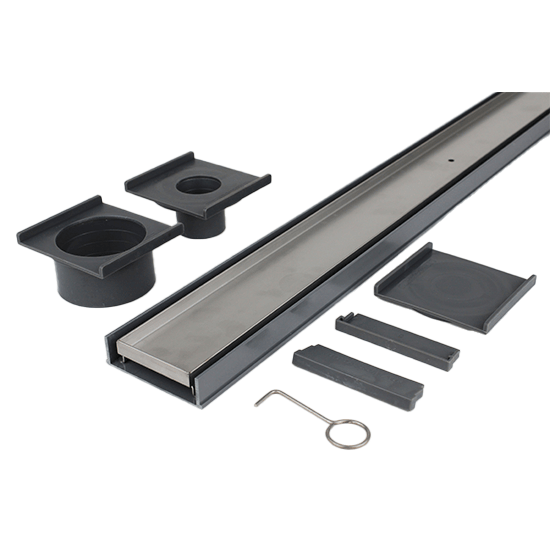
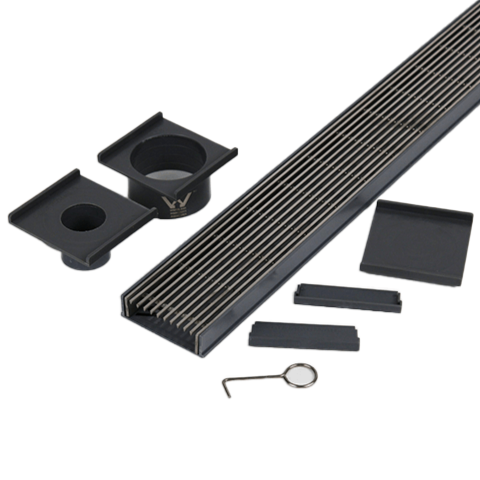
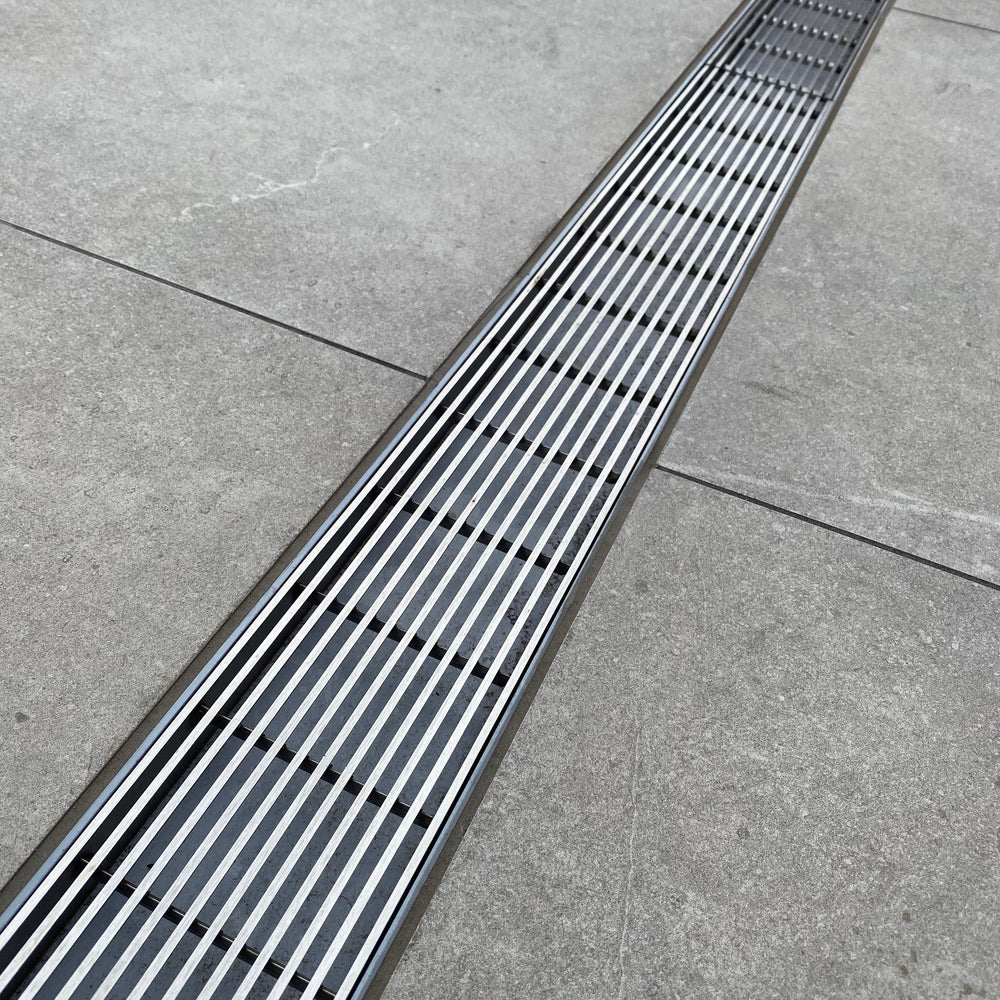
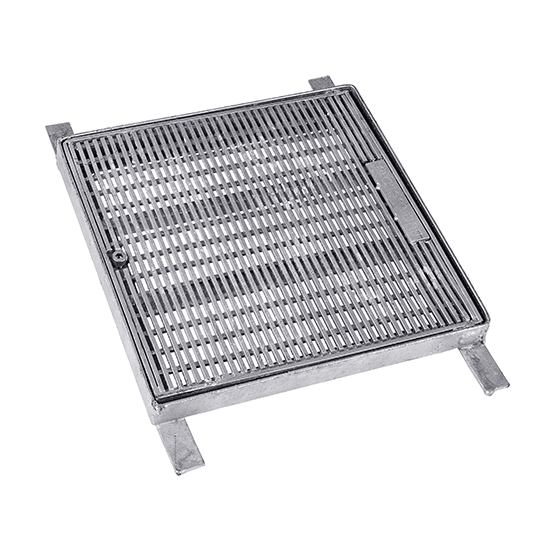
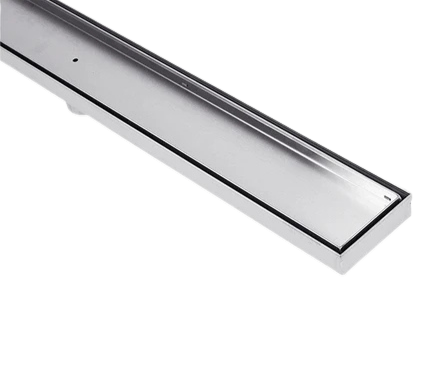
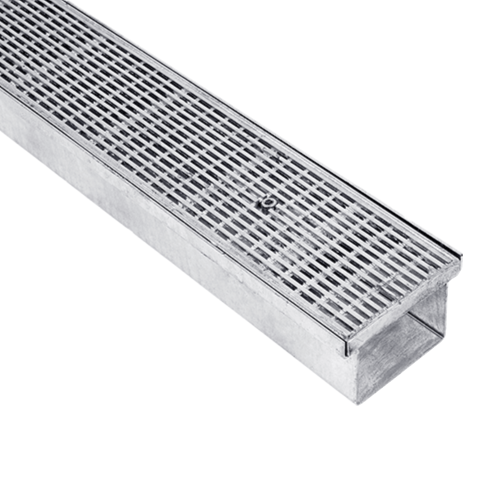
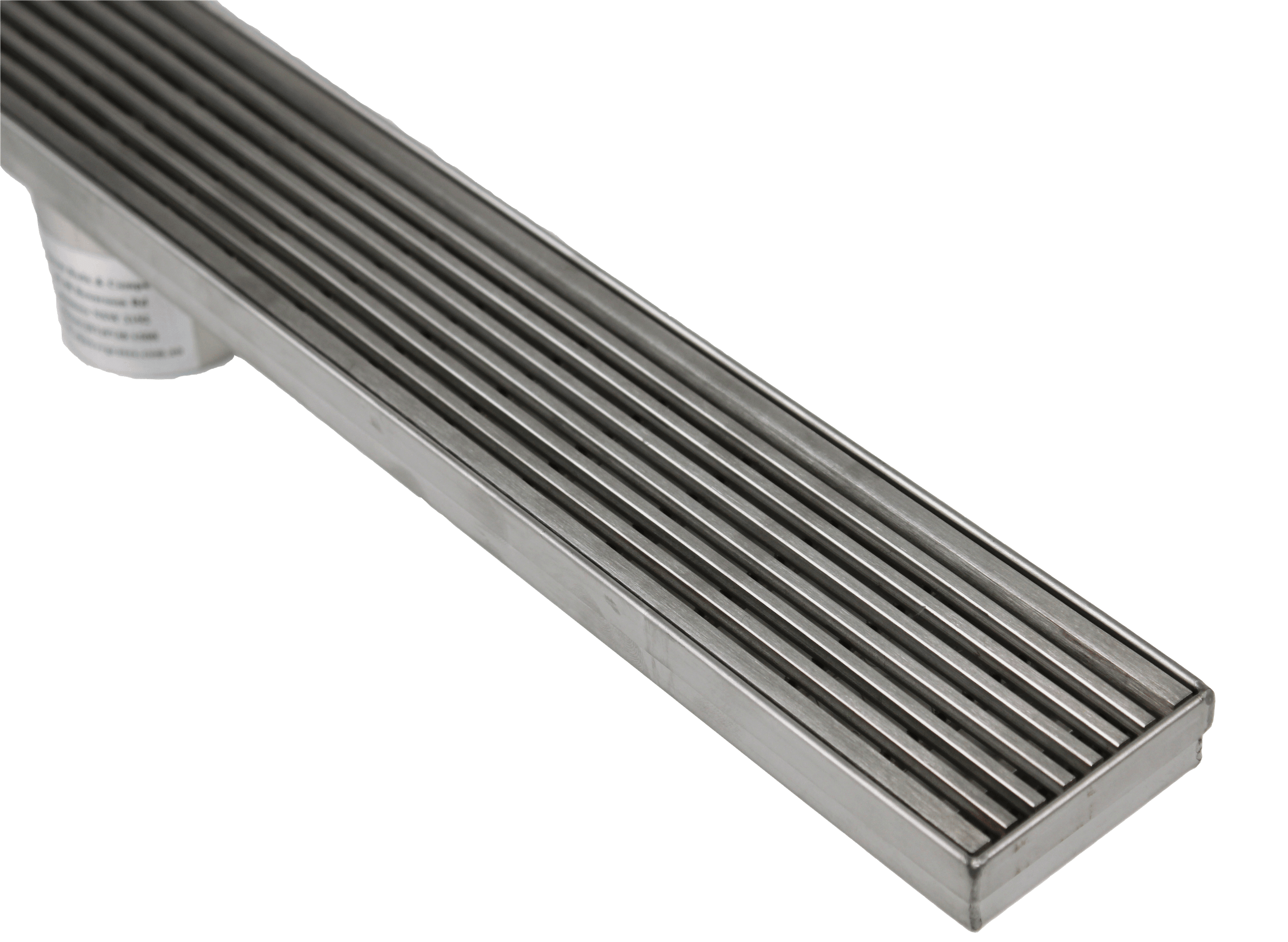
Trench drains (also called channel drains or box grates) are grate-and-channel assemblies that run in a continuous line across the full width of a driveway or garage entry. They intercept stormwater runoff before it can enter the building, directing it via outlets to the downstream stormwater system.
Vincent Buda and Company stocks trench drains for driveway applications in galvanised steel and stainless steel, rated to AS3996:2019 Class B and D, in both heelguard and traditional patterns.
Choosing the Right Trench Drain
Load Class
For a residential driveway: Class B minimum (rated to 2,670 kg wheel load). If waste collection trucks, delivery vehicles, or heavy rigid vehicles access the property: Class D (rated to 8,000 kg).
Material
Hot-dip galvanised steel for general residential and commercial applications that requires a balanced mix of aesthetics, corrosion resistance and strength. Stainless steel is great for high-end driveways. It suits high-end paving, natural stone, and architectural concrete incredibly well. It is also highly recommended if your property is within 1km of breaking surf.
Pattern
Heelguard for any driveway where pedestrians cross - which is virtually every residential garage entry. Traditional for vehicle-only channels in industrial settings.
Sizing
The drain run must cover the full width of the garage or driveway opening. A 3 m opening needs a 3 m drain run. Vincent Buda and Company stocks galvanised trench grates in a range of lengths that join together with dedicated joiners to reach any required length.
| Specification | Residential Standard | Heavy Duty |
|---|---|---|
| Load class | Class B | Class D |
| Material | Hot-dip galvanised or 316 SS | Hot-dip galvanised |
| Pattern | Heelguard (Budaguard, Builders Guard, Maxi Heelguard) or Traditional | Megaguard |
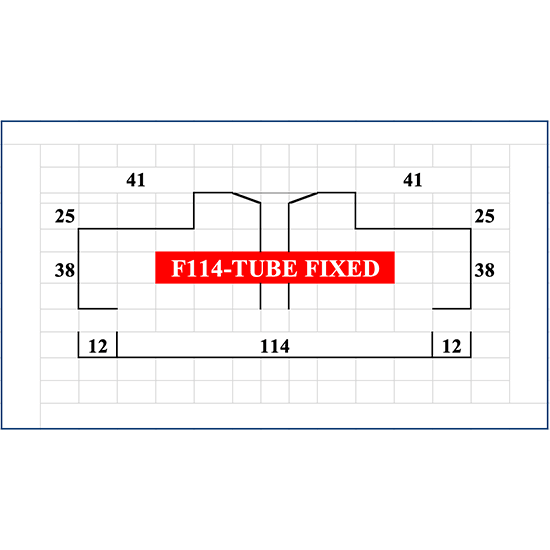
| Channel width | 125–300 mm | 200–450 mm |
| Product example | Budaguard™ Heelguard Galvanised Trench Box Grate | Mega Guard™ Class D Trench Box Grate |
Installation: Getting It Right
1. Position the Drain Outside the Building Footprint
The channel must intercept water before it reaches the building. This means the drain sits at or just beyond the garage entry — not inside the garage floor.
2. Set the Fall
The surrounding driveway must fall toward the trench drain at a minimum of 1:100. A flat driveway creates pooling and renders the drain ineffective.
3. Concrete Encasement
Minimum 50 mm of concrete below the channel base and 50 mm on each side. This provides structural support under traffic loads and prevents movement.
4. Outlet Connection
Connect the channel outlet to the downstream stormwater system. Ensure the outlet pipe has adequate fall (minimum 1:100) to the stormwater pit.
5. Join Sections
Use dedicated joiners to connect consecutive channel sections. End caps seal the run at each end. All accessories are sold separately.
Maintenance Schedule
| Frequency | Action |
|---|---|
| Monthly | Lift grate, clear leaves and debris from channel |
| After heavy storms | Inspect immediately for blockages at outlet |
| Annually | Check grate-to-frame fit, inspect for corrosion or damage |
Frequently Asked Questions
Q: What load class for a standard residential driveway?
Class B minimum. Ensure the grate is load rated.
Q: How long is each grate section?
We have quite a large range, and each style comes with it’s own lengths. See our range - click here.
Q: Do the grates come with end caps and outlets?
No. End caps, joiners, outlets, and corner joiners are sold separately.
Q: How quickly can I get trench drains?
Same day dispatch for Sydney Metro orders placed before 12 pm AEDT, or next day delivery Australia-wide.
Shop Trench Drains
Shop Trench Drains → buda.com.au/collections/trench-grates
Trust the Buda Since 1957.