

Tile Insert vs Heelguard vs Lines Pattern Shower Drain: Full Comparison
The shower drain pattern is one of the most visible decisions in a bathroom fitout. It's the detail clients notice - and the detail that either elevates or undermines the entire tile finish.
Three patterns dominate the market: tile insert, heelguard, and lines. Each delivers a different visual style, suits a different design brief, and has practical implications for the tiler and plumber. Here's the direct comparison.
The Three Patterns at a Glance
| Feature | Tile Insert | Heelguard | Lines |
|---|---|---|---|
| Visibility | Near-invisible — tile blends with floor | Visible — architectural metalwork | Visible — pressed pattern |
| Style | Minimalist, seamless | Contemporary, premium | Modern, clean |
| Water flow | Moderate — tile covers the channel opening | Good — gaps allow strong flow | Good — pressed holes allow flow |
| Tiling requirements | Standard tile to drain edge | Standard tile to drain edge | Standard tile to drain edge |
| Cost | Mid to premium | Mid to premium | Competitive |
| Best for | High-end, designer bathrooms | Accessible design, architectural look | General residential, value-conscious |
Tile Insert — The Invisible Drain
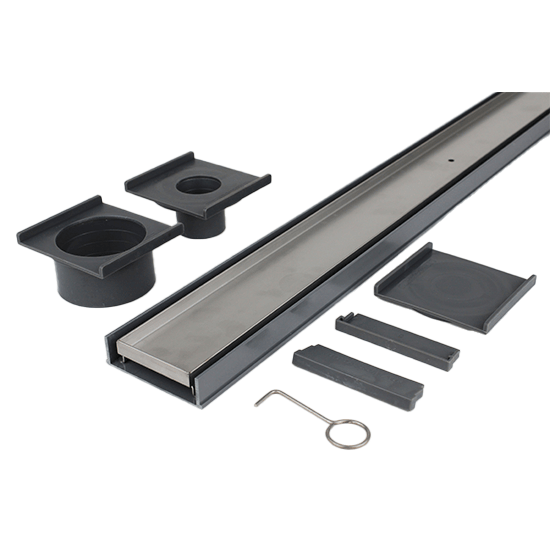
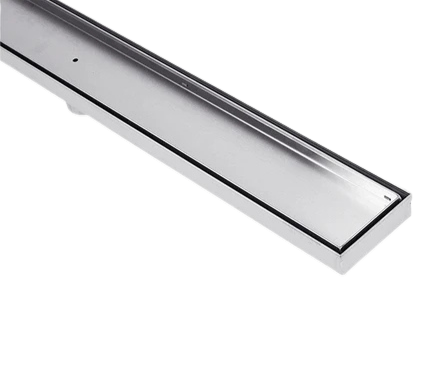
A tile insert drain features a recessed tray where a tile (cut to size) sits inside the drain body. When installed, the drain virtually disappears — the floor tile appears continuous, with only a narrow gap around the perimeter revealing the drain below.
Best for: Projects where the designer or client wants a seamless, minimalistic bathroom with no visible hardware. High-end residential, boutique hotel fitouts, and architectural projects.
What to know: Tile inserts are about aesthetics, not water flow optimisation. The tile covering the channel reduces the visible drainage area, so adequate fall to the drain is essential.
Heelguard — The Architectural Choice
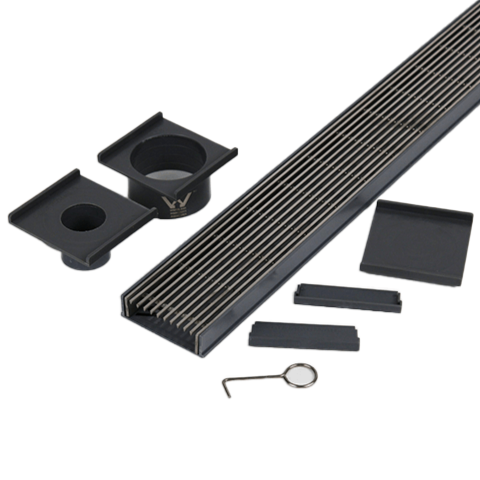
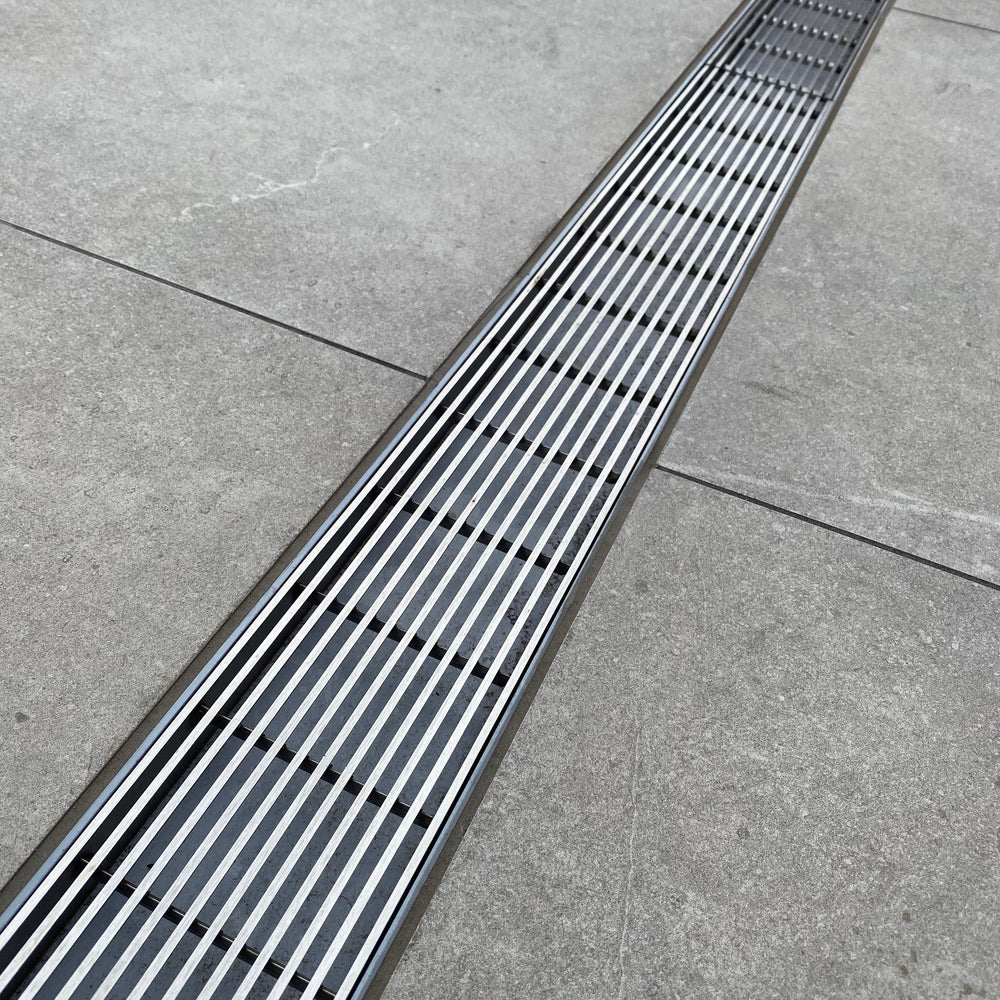
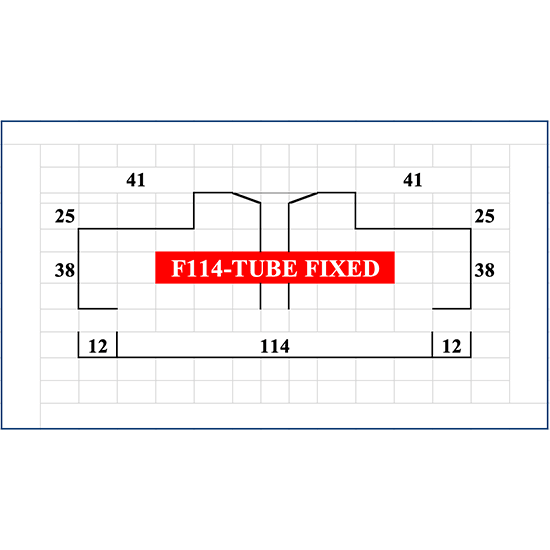
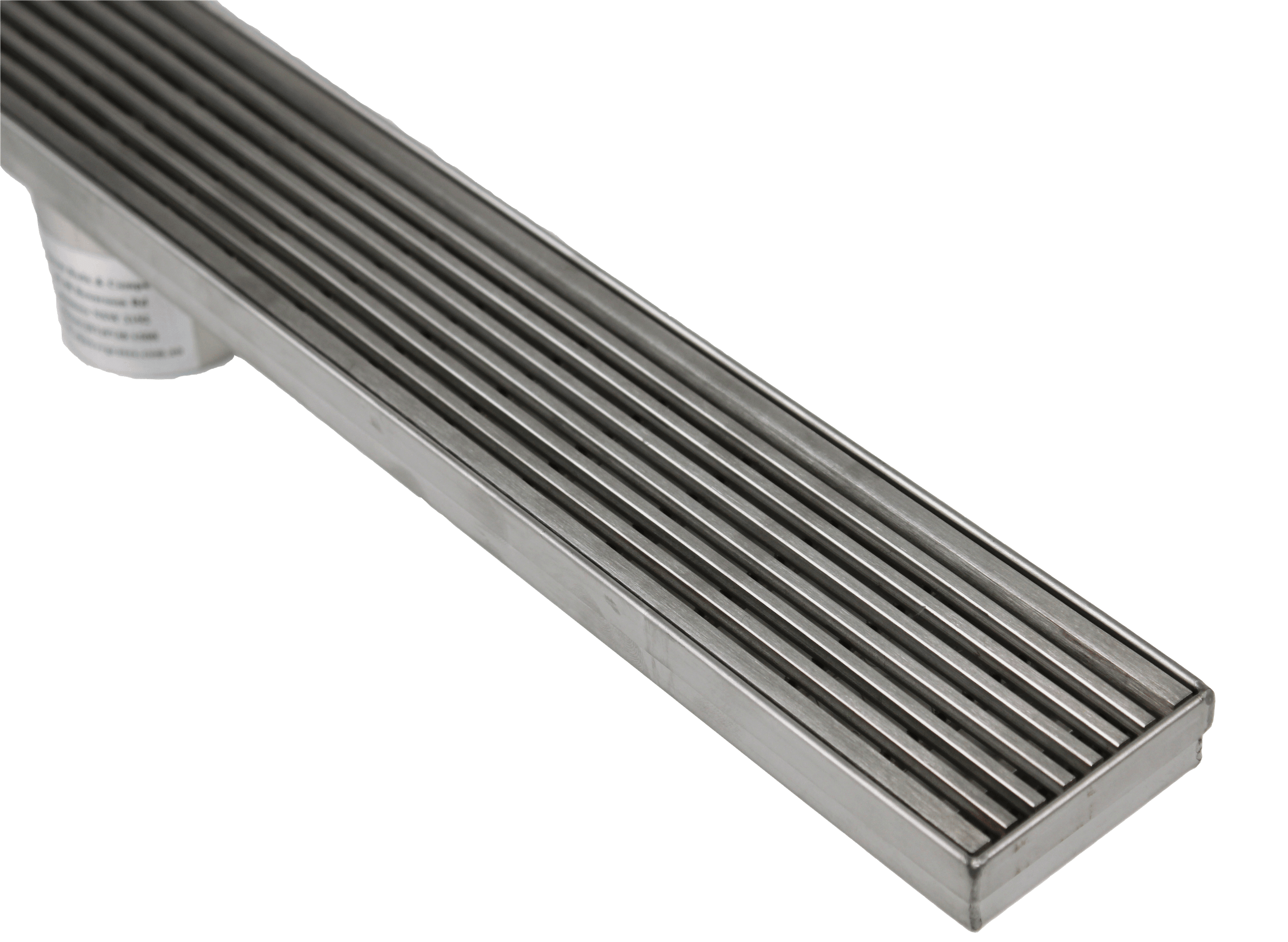
Heelguard grates feature a series of narrow, evenly spaced gaps that deliver a refined, contemporary look. The pattern is AS3996-compliant for pedestrian areas, making it safe for accessible bathrooms and wet areas.
Best for: Bathrooms where the drain is a deliberate design element — a visible, premium finish that complements brushed nickel or chrome tapware. Also the safest option for accessible bathrooms where heel or mobility aid entrapment must be prevented.
Vincent Buda and Company offers heelguard shower drains in stainless steel across all common lengths.
Lines — The Practical Premium
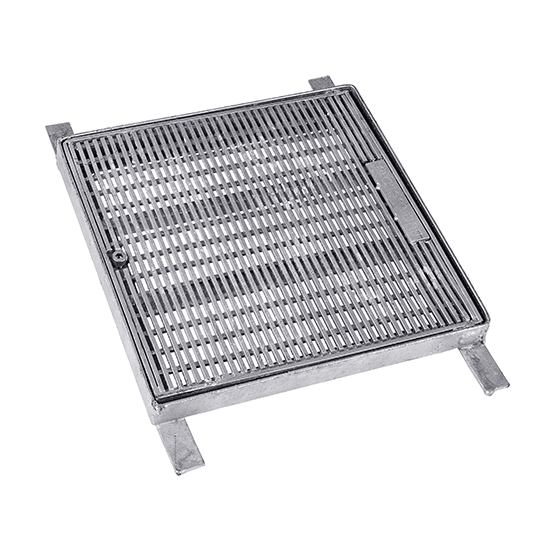
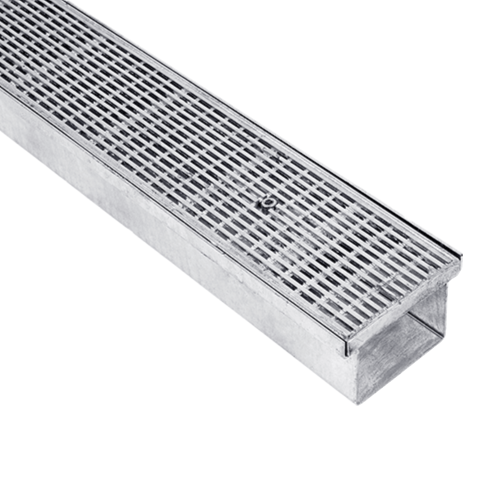
Lines pattern drains feature pressed linear slots in sheet metal. They deliver a clean, modern aesthetic at a more competitive price point than heelguard or tile insert.
Best for: General residential projects where a modern look is wanted without the premium cost of heelguard or the tiling complexity of tile insert.
Making the Decision
| Your Priority | Choose |
|---|---|
| The drain should be invisible | Tile Insert |
| The drain should look premium and architectural | Heelguard |
| The drain should look modern at a competitive price | Lines |
| The bathroom must meet accessibility standards | Heelguard |
| The tiler prefers minimal specialist cuts | Heelguard or Lines |
Frequently Asked Questions
Q: Which pattern has the best water flow?
Heelguard and lines both offer strong water flow. Tile insert drains have a reduced opening area due to the tile covering, so adequate fall is important.
Q: Is tile insert harder to install?
For the tiler, yes. Tile insert requires an envelope cut (four-direction precision cut) to fit the tile into the tray. Heelguard and lines are standard tile-to-edge installations.
Q: Can I mix patterns in one bathroom?
Technically yes, but consistency is recommended. A tile insert in the shower with a heelguard floor waste can look disjointed.
Q: Where can I see all three patterns?
Vincent Buda and Company stocks all three patterns — browse by pattern at buda.com.au/collections/shop-by-pattern.
Shop by Pattern
Shop by Pattern → buda.com.au/collections/shop-by-pattern
Trust the Buda Since 1957.