

Pool Drainage in Australia: What's Required and What Works Best
A pool surround without proper drainage is a slip hazard waiting for a claim. Water needs somewhere to go - and if the drain is faulty or wrong, you're dealing with pooling water, premature corrosion, and an unhappy client.
Pool drainage requires a different material specification than a standard driveway or garden drain. Chlorinated water attacks galvanised coatings. Salt water (in chlorinated salt pools) accelerates corrosion further. The combination of constant moisture, chemical exposure, and bare-foot pedestrian traffic means every component of the pool drain must be selected for this specific environment.
For pool surrounds, stainless steel drains in 316 grade are the recommended specification. 316 stainless steel resists pitting from chlorides (the primary corrosive agent in pool water) and delivers a premium architectural finish that suits the aesthetic standard of pool areas.
What Type of Drain for a Pool Surround?
The drain type depends on the pool layout:
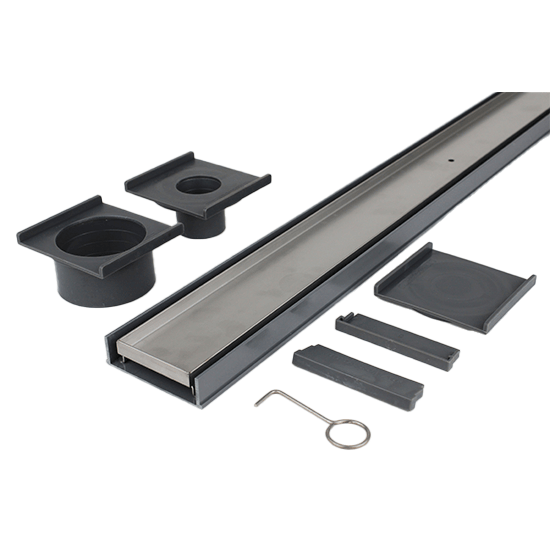
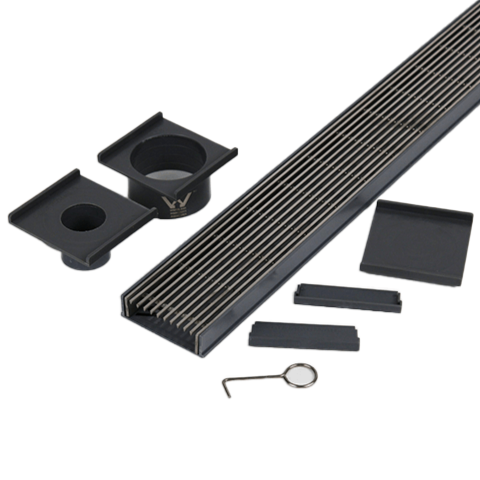
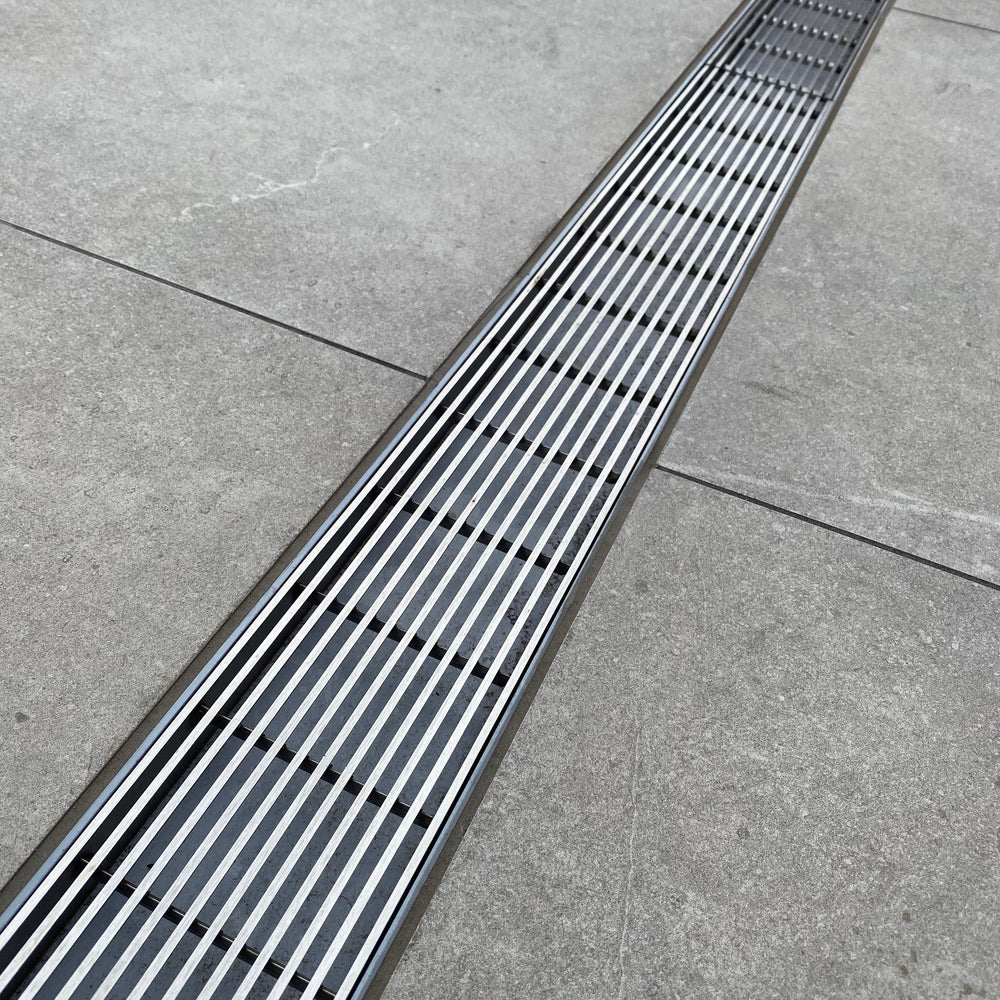
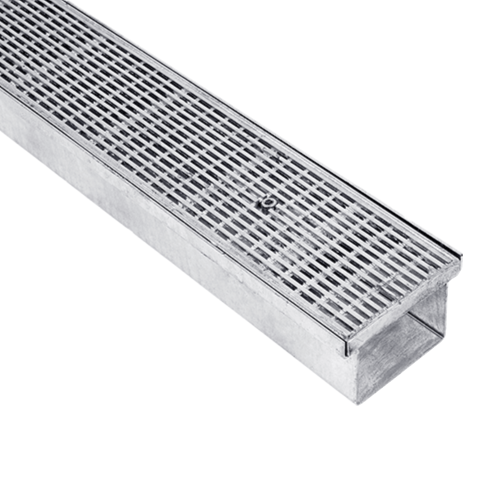
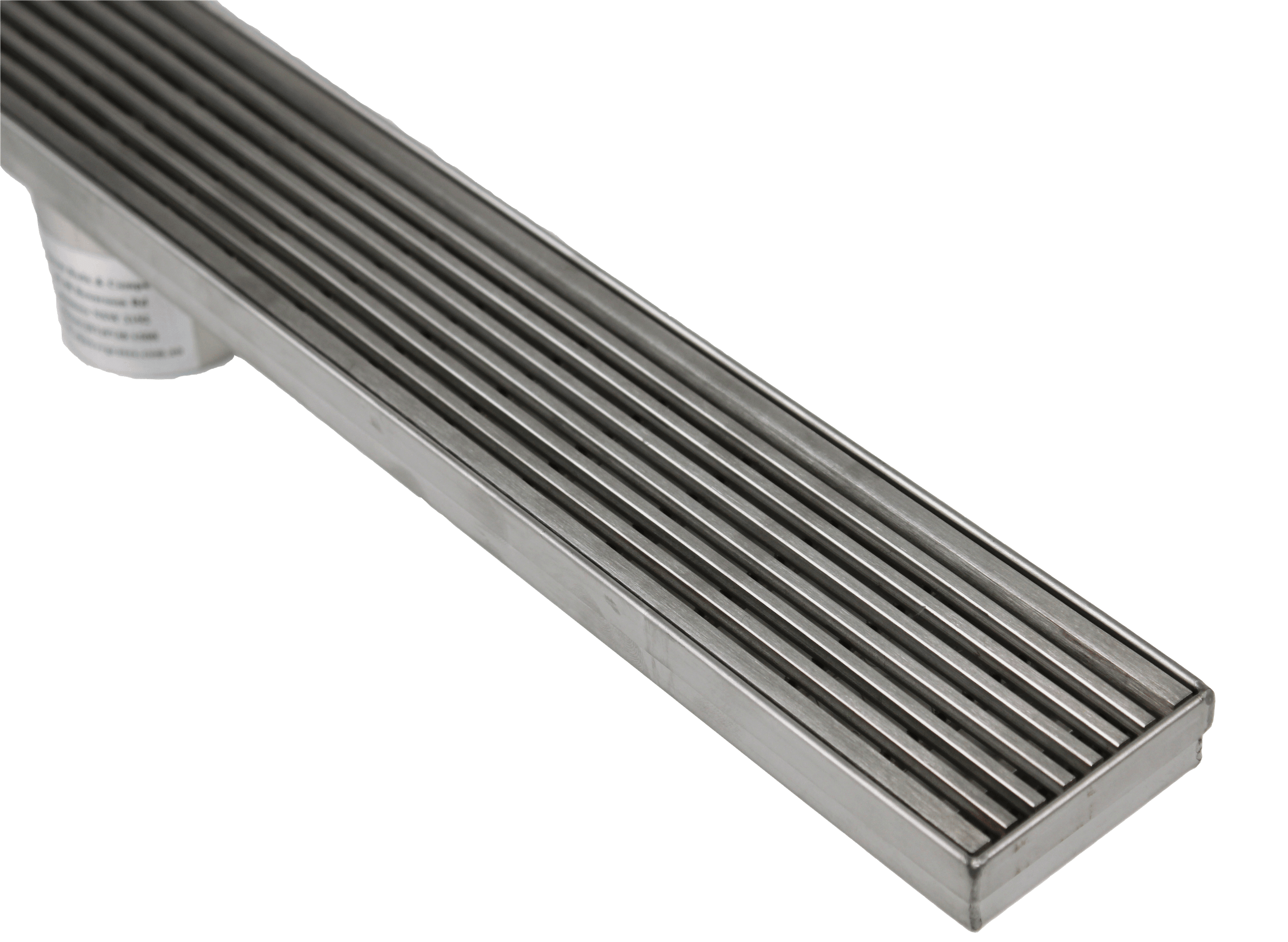
Strip/channel/trench drains are the most common choice for pool surrounds. Their narrow profile (70–100 mm wide) sits flush with the paving and collects splash-out across a long run without being visually intrusive. Vincent Buda and Company stocks strip drain kits with stainless steel heelguard and tile insert grates.
Small floor wastes suit specific collection points - at the base of an outdoor shower, near pool equipment, or in covered pool house areas.
| Drain Type | Best Pool Application | Material | Width Range |
|---|---|---|---|
| Plastic Base with Stainless Steel Top Strip Drain Kit | Pool surround, patio edge | SS heelguard or tile insert on plastic base | 70–100 mm |
| Full Stainless Steel | Large pool deck, high-flow areas | 304 or 316 stainless steel | 85–200 mm |
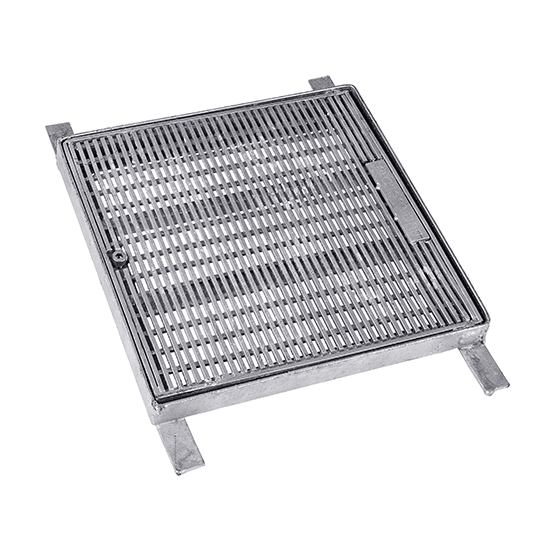
| Small floor waste | Outdoor shower, equipment area | Stainless steel | 115mm-300mm square |
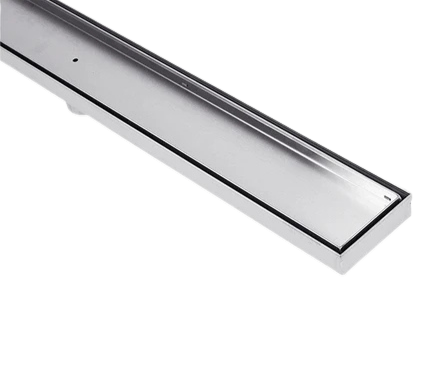
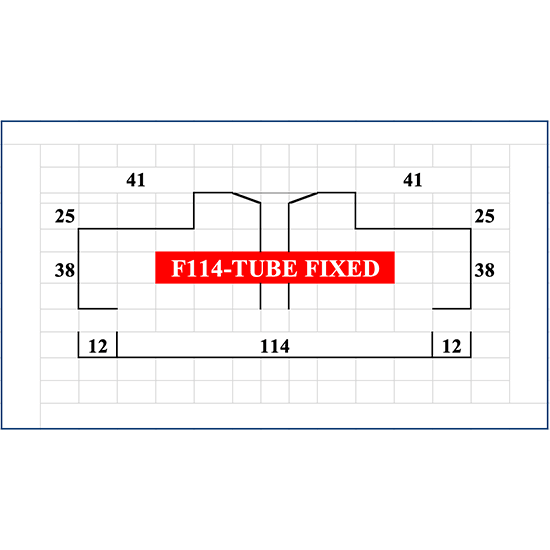
| Slot drain | Architectural pool edge, overflow | 316 Stainless Steel | 85mm wide x 60mm deep overall |
Heelguard pattern is the recommended choice for pool surrounds. Bare feet, wet surfaces, and narrow grate gaps are a safe combination.
Material Selection for Pool Environments
| Environment | Recommended Grade | Why |
|---|---|---|
| Standard chlorinated pool | 316 stainless steel | Resists chlorine exposure; 316 for direct splash zones |
| Salt chlorinated pool | 316 stainless steel | Salt + chlorine = aggressive chloride environment |
| Coastal pool (<1 km surf) | 316 stainless steel | Double exposure: pool chemicals + marine air |
| Covered pool house/indoor pool | 316 stainless steel | Lower direct exposure; 304 is adequate |
| Outdoor Shower (not collecting pool water) | 304 Stainless Steel | No chlorine/salt exposure |
Galvanised steel is not recommended for pool surrounds. Chlorinated water strips the zinc coating, leading to accelerated corrosion and staining on surrounding surfaces.
The Seamless Slot Drain Option
For a seamless architectural finish, the slot drain offers a concealed drainage solution popular in high-end pool designs. The drain sits below a narrow slot in the paving — no visible grate — and collects water through the gap.
Slot drains from Vincent Buda and Company are available in 1m & 2m lengths with accessories to suit. They suit pedestrian areas and are ideal around pools, patios, pathways, and entertaining spaces.
Frequently Asked Questions
Q: Can I use galvanised grates around a pool? Not recommended. Chlorinated and salt water accelerates zinc corrosion. Stainless steel (316) is the correct specification for pool environments.
Q: Do I need 316 stainless for every pool? Yes, for indoor pools, salt pools, direct splash zones, and coastal sites, 316 is the safer specification.
Q: What pattern is safest for a pool surround? Heelguard. The narrow gap pattern prevents toe and heel trapping on wet surfaces where people walk barefoot.
Q: How quickly can I get pool drains?
Same day dispatch for Sydney Metro orders placed before 12 pm AEDT, or next day delivery Australia-wide.
Shop Pool Drains
Shop Pool Drains → buda.com.au/collections/pool-drains
Trust the Buda Since 1957.