

Floor Wastes: Types, Sizes and How to Choose the Right One
Not every wet area needs a linear drain. Ensuites, laundries, small bathrooms, and utility rooms often work best with a compact floor waste - a small square or round drain point that collects water from the immediate area and directs it to the waste pipe below.
The challenge for builders is matching the floor waste to the application. Get the outlet size wrong and it doesn't connect to the rough-in. Get the pattern wrong and the tiler has issues. Get the material wrong in a coastal build and corrosion sets in within a year.
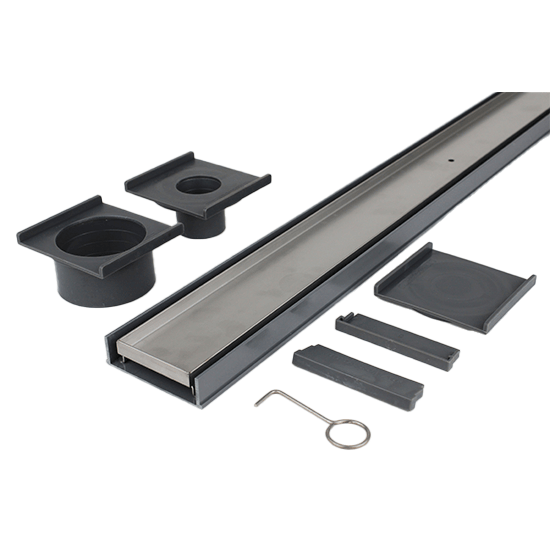
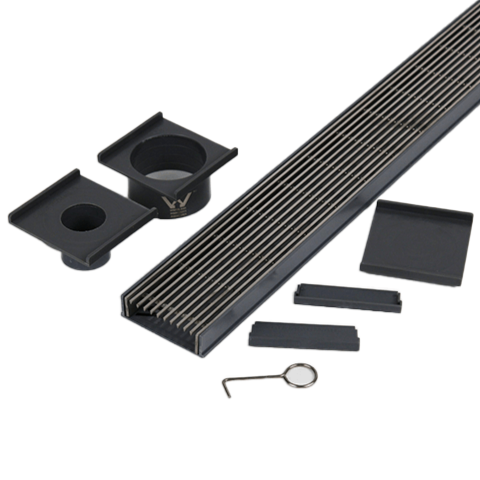
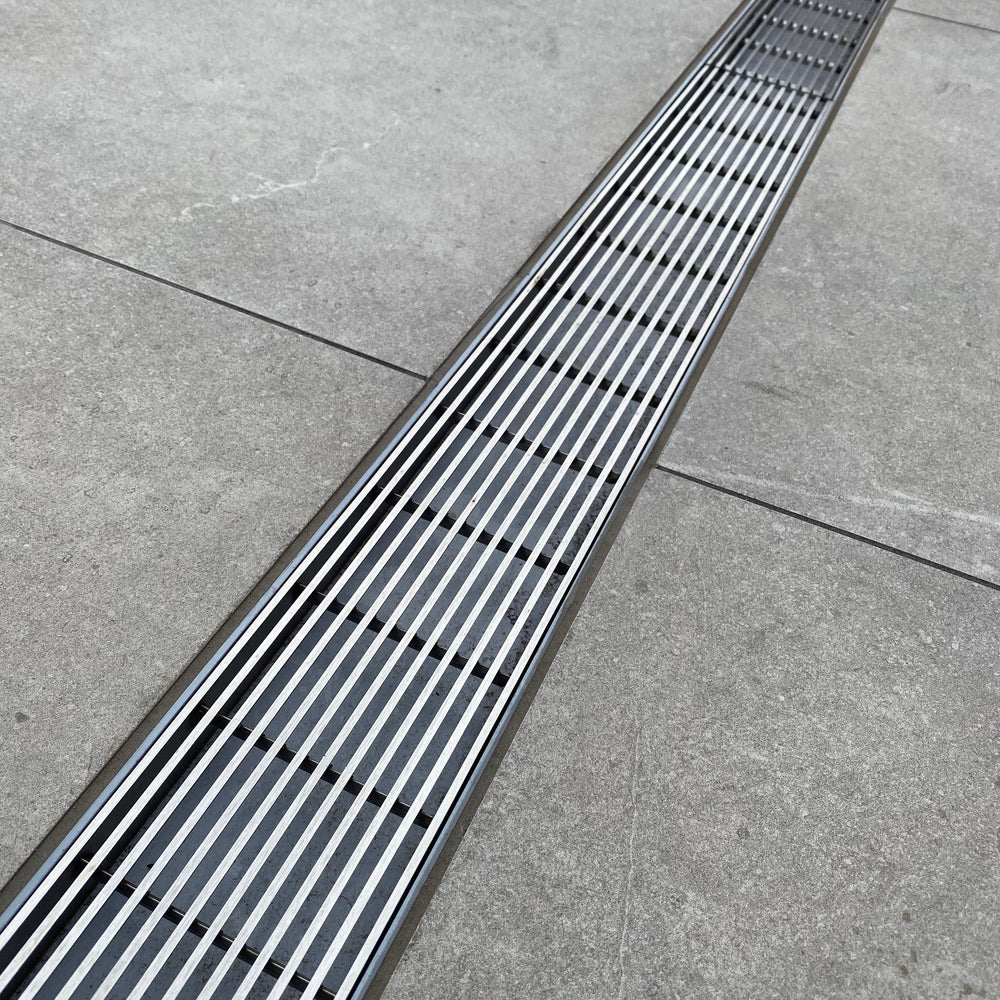
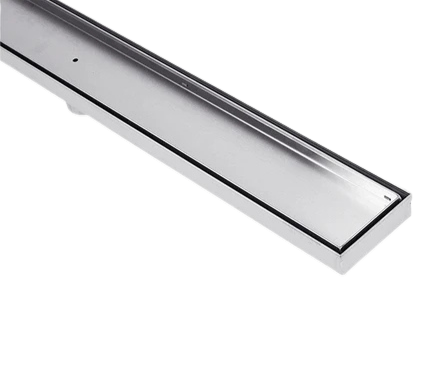
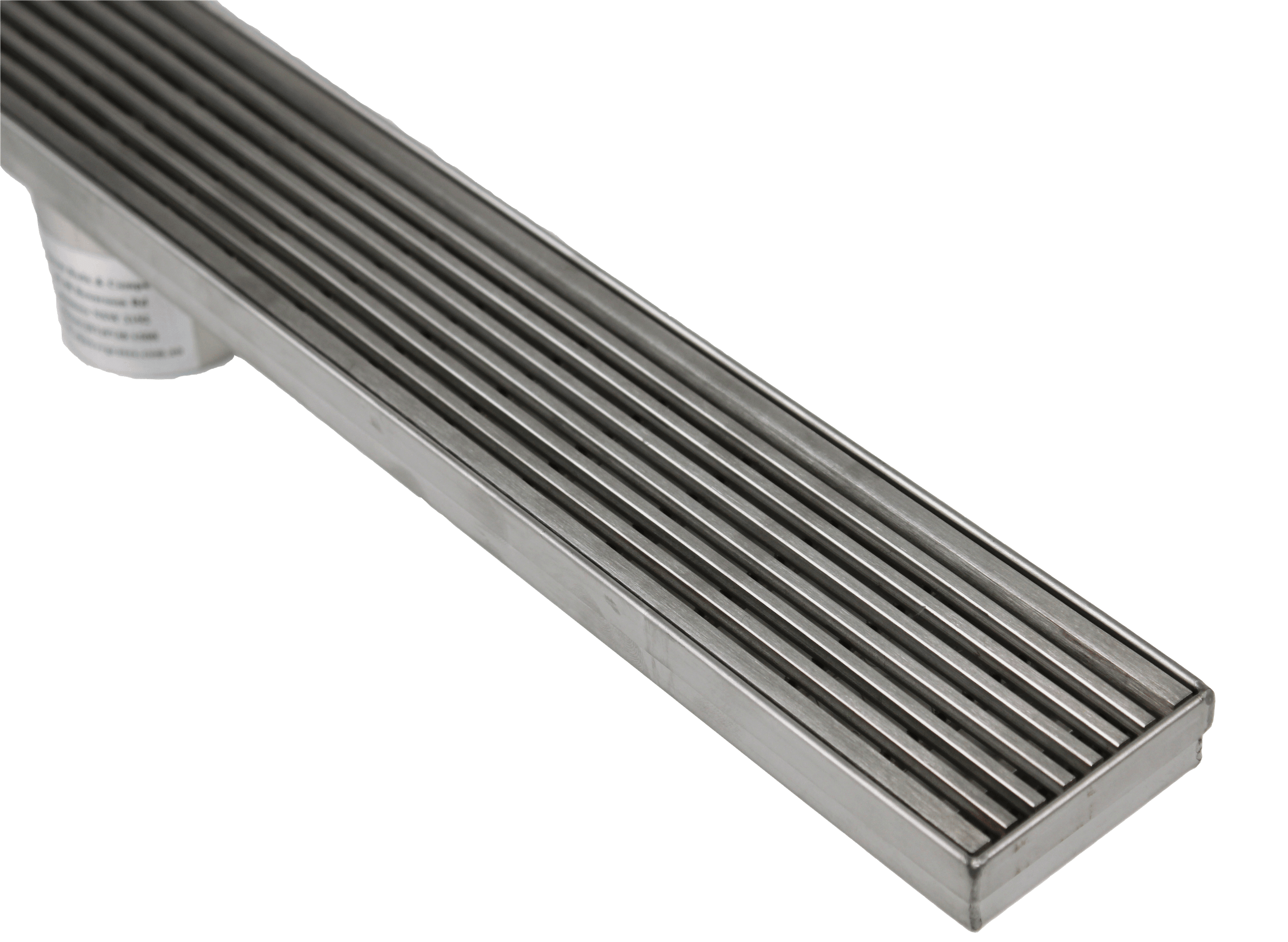
Vincent Buda and Company stocks small stainless steel floor wastes - in heelguard, square, and tile insert patterns - across multiple outlet sizes.
Floor Waste Types
Stainless Steel Floor Wastes
Full stainless steel construction (grate and body). The premium option for visible locations where the finish matters. Available in standard stainless and matte black finishes. Suited to bathrooms, ensuites, and anywhere the floor waste is on display.
Plastic Floor Wastes
Full plastic construction. The cost-effective option for utility rooms, laundries, and locations where the drain sits under a cabinet or is otherwise concealed.
Combination (Plastic Body + SS Grate)
The middle ground - plastic body with a stainless steel grate on top. Cost-effective with a premium visible finish. The most popular choice for standard residential bathrooms.
Galvanised Floor Wastes
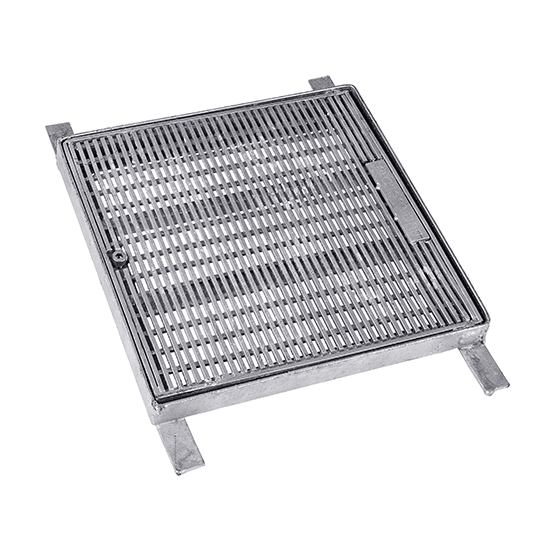
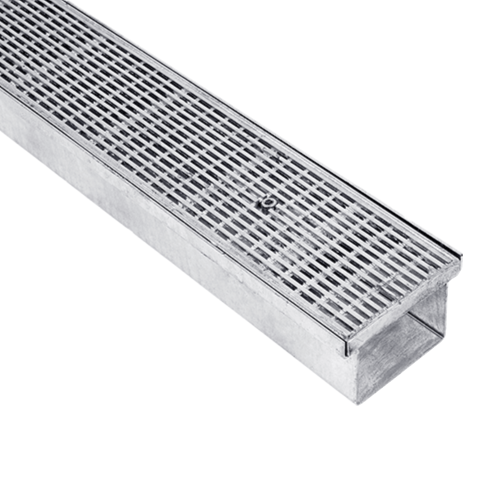
Full galvanised steel construction. Built for external and exposed environments where corrosion resistance matters more than a decorative finish. Suited to outdoor showers, patios, and external drainage points.
Outlet Sizes
Floor wastes connect to the plumbing system via the outlet. The three standard outlet sizes are:
| Outlet Size | Best For |
|---|---|
| 50 mm | Small floor wastes, low-flow areas, ensuites |
| 76 mm | Standard bathroom floor wastes - the most common size |
| 95 mm | Higher-flow areas, larger floor wastes |
Confirm the outlet size against the plumber's rough-in before ordering. A mismatched outlet means a return or an on-site adapter - both cost time.
Floor Waste Patterns
| Pattern | Style | Best For |
|---|---|---|
| Heelguard | Contemporary, narrow gaps | Bathrooms, accessible areas |
| Square | Clean, geometric | General residential |
| Tile Insert | Near-invisible (tile sits in tray) | Minimalist design, seamless floors |
Tile insert floor wastes require an envelope cut - a four-directional tile cut that fits the tile neatly into the tray. Discuss this with the tiler during the specification stage to avoid surprises during install.
Frequently Asked Questions
Q: What outlet size do I need for a bathroom floor waste? 76 mm is the most common for standard bathroom applications. Confirm against the plumber's rough-in.
Q: Do floor wastes come with strainer baskets? No. Removable strainer baskets are sold separately in 316 stainless steel, available to suit 50 mm, 76 mm, and 95 mm outlets.
Q: Can I use a floor waste in a shower? Yes, but for walk-in showers, a linear shower drain is generally preferred. A floor waste suits smaller showers, shower-over-bath configurations, or ensuites with limited floor space.
Q: How fast can I get floor wastes?
Same day dispatch for Sydney Metro before 12 pm AEDT, or next day delivery Australia-wide.
Shop Floor Wastes
Shop Floor Wastes → buda.com.au/collections/small-floor-wastes
Trust the Buda Since 1957.