

Driveway Grates: The Complete Australian Buyer's Guide (2026)
You get one shot at the driveway drain. Once the concrete goes down, it stays down. Get the load class wrong and you're replacing a bent frame the second a heavy vehicle drives over it. Get the material wrong near the coast and you'll have a rusted-out grate a few months after install.
This guide covers every decision: load classes, materials, sizing, heelguard vs traditional, installation, and the mistakes that fail the test of time.
What Is a Driveway Drain?
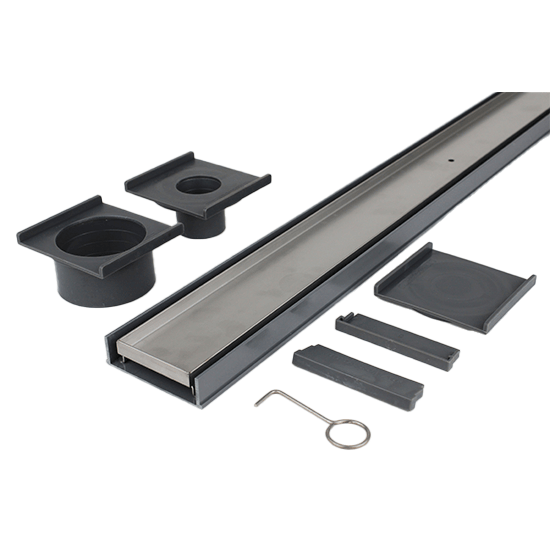
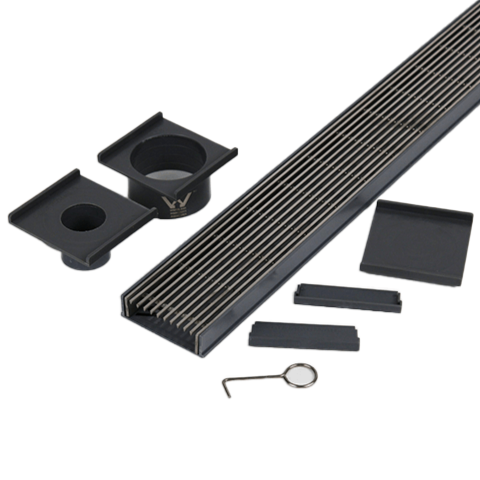
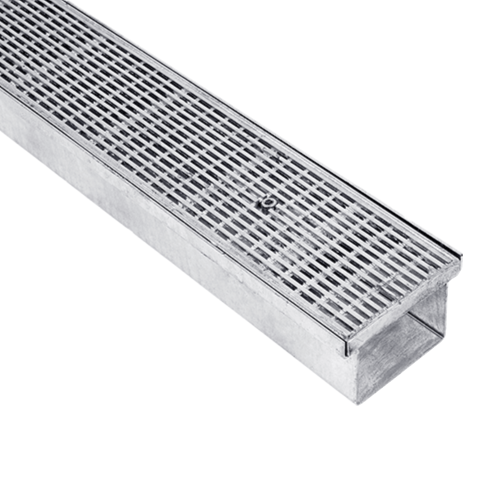
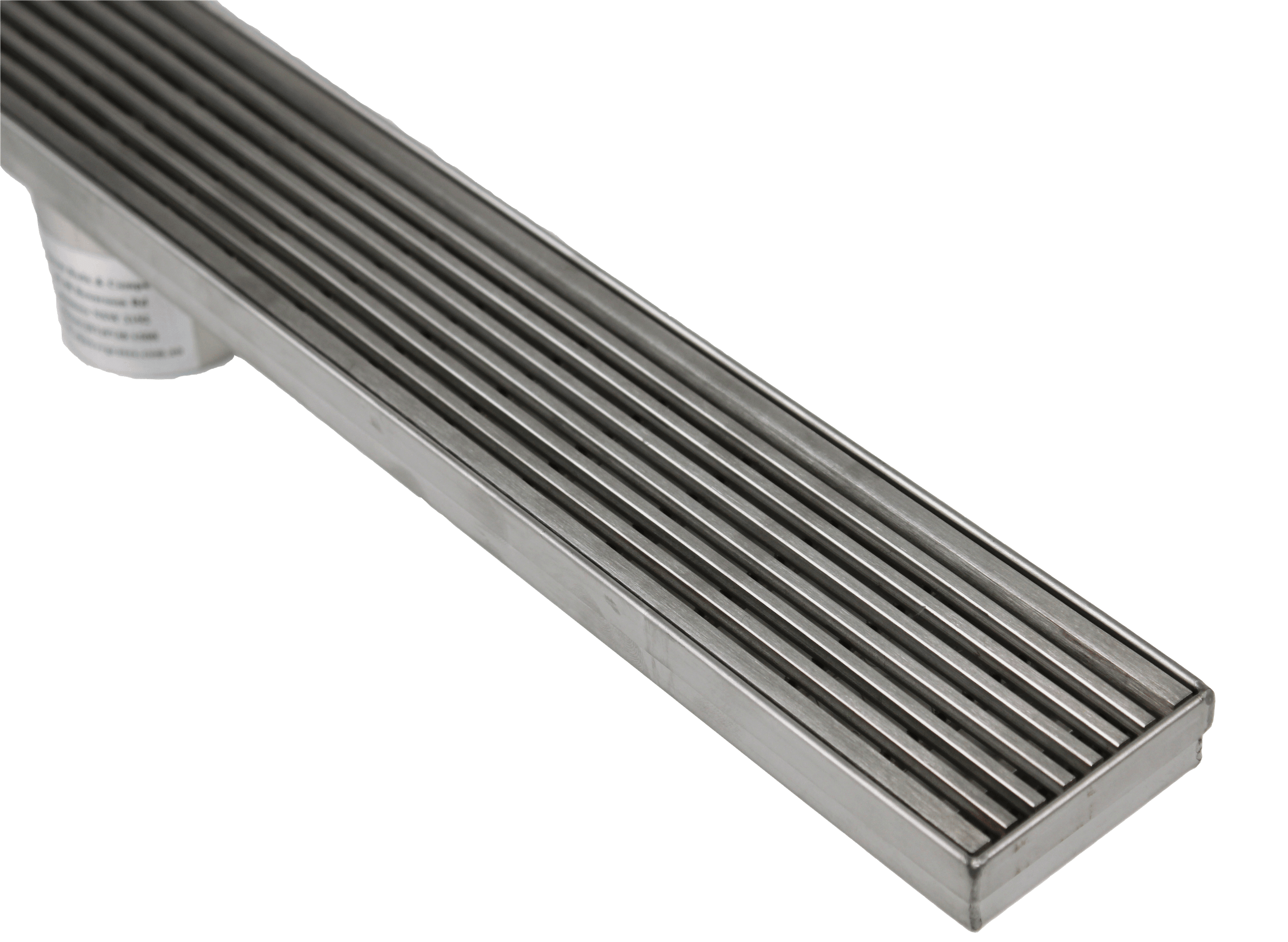
A driveway drain (also called a trench grate, channel grate, or strip drain) is a grate-and-channel system installed across a driveway or garage entry to redirect stormwater before it reaches the building.
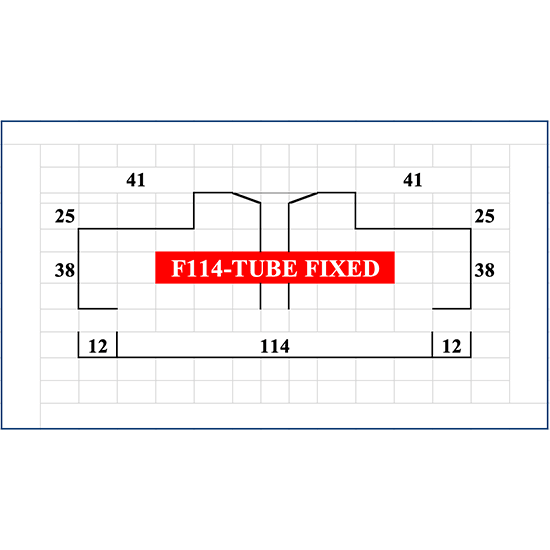
It has two components: the grate (the visible load-bearing surface you drive over) and the channel body (the tray below that collects water and directs it to a downstream stormwater outlet).
Driveway drains are not the same as round floor wastes or subsoil agricultural pipe. They're specifically designed for surface runoff management on paved and concreted areas.
The Standard That Controls Everything: AS3996:2019
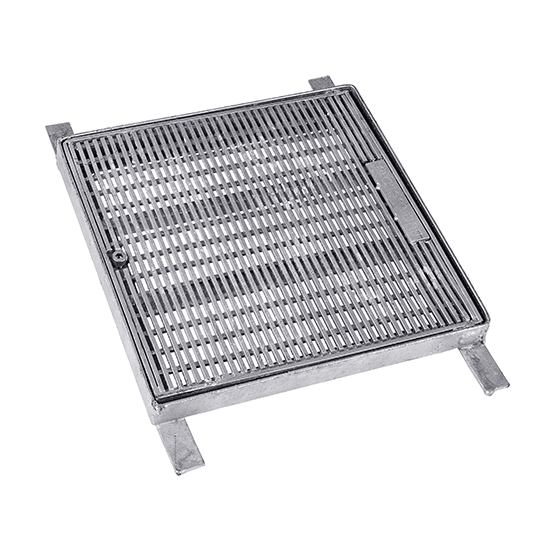
AS3996:2019 - Access Covers and Grates - is the Australian Standard that defines load classes for drainage grates. It specifies how much weight a complete grate-and-frame system can safely carry without failure or permanent deformation.
Using an underrated grate on a trafficked surface isn't just a compliance failure - if the grate fails and someone is injured, the liability sits with whoever specified & installed it.
| Class | Max Wheel Load | Typical Use |
|---|---|---|
| A | 330 kg | Areas accessible strictly by pedestrians & bicycles. - residential backyards & walkways. |
| B | 2,670 kg | Residential driveways & car parks |
| C | 5,000 kg | Boats/trailers, light commercial, industrial car parks |
| D | 8,000 kg | Industrial use cases, major roads including freeway and |
| motorway shoulders. | ||
| E | 13,700 kg | Heavy industrial, loading docks, port facilities |
| F | 20,000 kg | Heavy port, specialised industrial |
| G | 30,000 kg | Airport taxiways and aprons |
Load Class Spec Sheet Link
Which Load Class Do You Actually Need?
For walkways and residential areas without vehicle access: use Class A
For a standard residential driveway with passenger vehicles only: Class B minimum.
For commercial car parks: Class C or D if waste collection trucks or service vehicles use the site.
For applications where there are heavy rigid vehicles and plant machinery (forklifts) : Class D.
Heelguard or Traditional
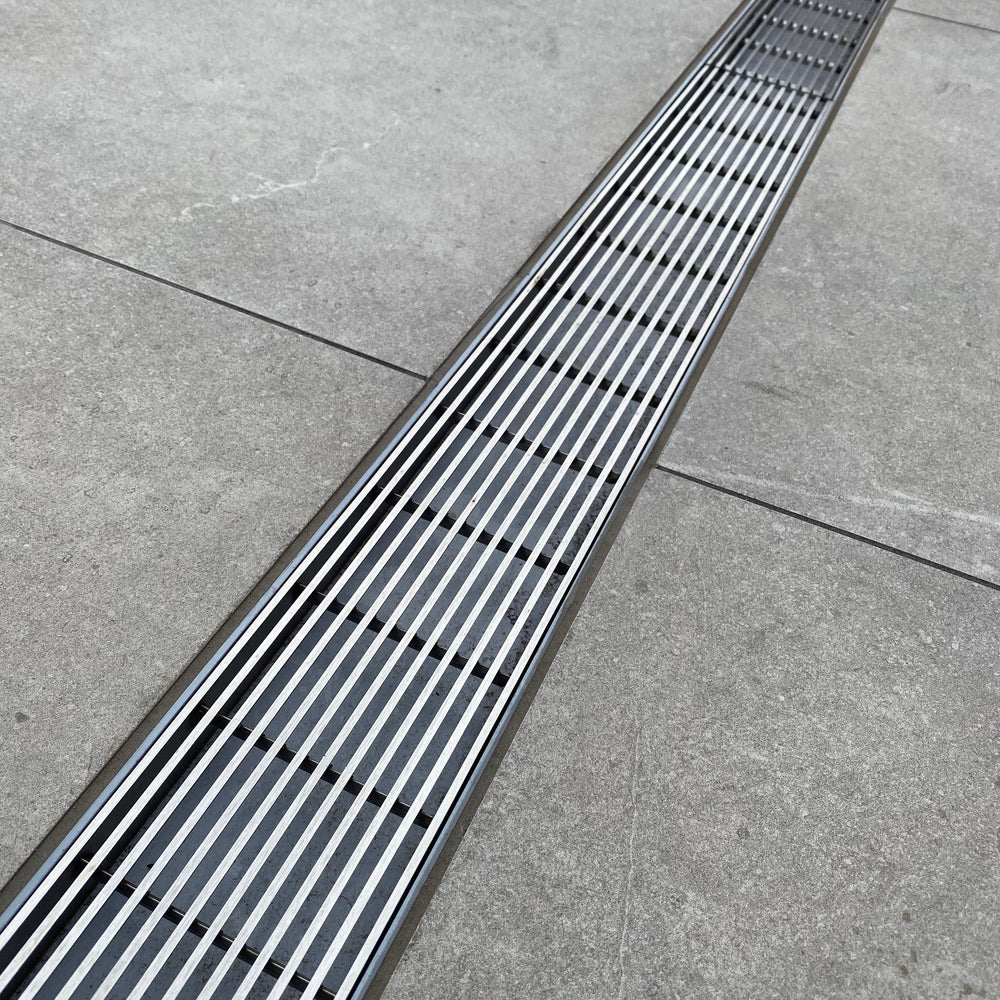
Heelguard grates have a specific pattern that prevents heels, debris, and bicycle tyres from getting caught. They're recommended in any area where pedestrians walk.
Traditional grates have wider openings, higher water flow capacity, but are not recommended for pedestrian areas.
For any driveway where pedestrians cross - which is most residential garage entries - heelguard is the best option.
| Feature | Heelguard Pattern | Traditional Pattern |
|---|---|---|
| Pedestrian safe | Yes | No — heel trap risk |
| AS3996 compliant (pedestrian areas) | Yes | No |
| Hydraulic flow capacity | Good | Great |
| Best for | Driveway + pedestrian crossover | Vehicle-only channels |
| Available at Vincent Buda & Co | Yes | Yes |
Material Selection: Galvanised vs Stainless Steel
Hot-dip galvanised (HDG) steel is the standard choice for residential and commercial driveways. Robust, load-rated, and cost-effective.
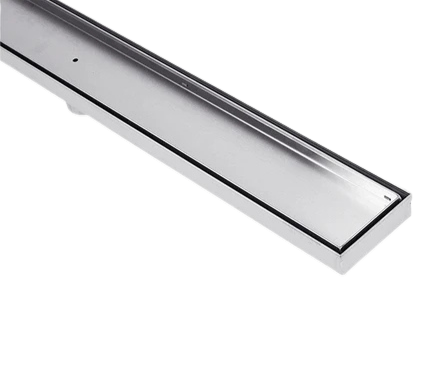
Stainless steel is the standard choice for high-end driveways. The finish is sharp, consistent, and stays that way, with low maintenance. It suits high-end paving, natural stone, and architectural concrete incredibly well. It is also highly recommended if your property is within 1km of breaking surf.
Sizing: Width, Length and Depth
Width: Standard drains come in 125mm- 450mm widths. A 200mm body suits most residential driveways. Larger catchment areas need wider channels.
Length: Match the grate run to the full width of the garage opening. A standard 3m garage usually needs a 3m drain installed — water running around a shorter drain and bypassing the drain entirely is a recipe for disaster is a recipe for disaster.
Depth: For residential applications, a depth of 150mm or greater is recommended. The deeper the channel, the greater the capacity.
The Big 4 Installation Mistakes That Fail The Test Of Time
-
Installing the channel inside the building footprint. The channel must sit outside the building footprint to collect stormwater runoff.
-
Insufficient encasement. Minimum 50 mm of concrete below the channel base and 50 mm each side. Less than this can cause movement and cracking.
-
No fall to the drain. The driveway must slope at 1:100 minimum toward the driveway drain. A level driveway creates inefficient stormwater management - leading to long term building damage.
-
Using cheaper materials. Cutting corners on drainage costs you more in the long term. Plastic is nowhere near as rigid as galvanised steel, and a thicker material always pays of in the long term as cheaper material can be thinner, and can ultimately crack, warp and bow.
Maintenance
Monthly: lift the grate and clear leaf litter and debris from the channel body. Check the outlet isn't obstructed.
After heavy storms: check immediately for blockages - this is when blockages cause most problems. Neglecting maintenance can lead to long term water ingress into the building footprint.
Frequently Asked Questions
Q: What class grate for a residential driveway?
A: Class B minimum for passenger vehicles.
Q: Can I use galvanised grates in a coastal area?
A: Yes you can - however if you are within 1 km of surf, 316 stainless is recommended.
Q: What concrete encasement does the channel need?
A: 50 mm minimum on all sides and below.
Q: Why is my driveway drain blocked?
A: There may be blockage or debris inside the channel or pipes. Clean the channel, clear the outlet and ensure the pipes are clear.
Ready to Order?
Vincent Buda & Co stocks a full range of AS3996:2019-compliant driveway grates → galvanised and stainless, Class B through D, heelguard and bar patterns, in stock and ready to dispatch.
Shop Driveway Grates → Click Here