

Building Materials That Outlasts The Mortgage!
The average mortgage spans 30 years, yet many modern buildings start showing their age in less than ten. It’s a frustrating reality: homeowners are often still paying for a structure that is already beginning to fail.
Building for longevity isn't about luck, it’s about intentional engineering and respecting the elements:
1. Use the Right Product for the Right Environment
Longevity starts with matching materials to their surroundings.
A steel member that performs perfectly inland can fail early near the coast. In high-corrosion zones - such as breaking surf or industrial areas - R4 stainless or concrete lintels outperform standard R2 or R3 galvanised steel. Choosing the wrong rating doesn’t cause immediate failure, but it guarantees a shorter lifespan.
A steel member that performs perfectly inland can fail early near the coast. In high-corrosion zones - such as breaking surf or industrial areas - R4 stainless or concrete lintels outperform standard R2 or R3 galvanised steel. Choosing the wrong rating doesn’t cause immediate failure, but it guarantees a shorter lifespan.
2. Clean Without Compromising the Materials
Construction sites are messy, but aggressive cleaning shortens material life.
Acidic or reactive cleaners can strip protective coatings, attack galvanising, and trigger corrosion long after the site is finished. Using neutral, non-reactive cleaning products ensures materials stay protected and perform as intended for decades, not just until handover.
Acidic or reactive cleaners can strip protective coatings, attack galvanising, and trigger corrosion long after the site is finished. Using neutral, non-reactive cleaning products ensures materials stay protected and perform as intended for decades, not just until handover.
3. Protection at Cut Edges & Fixings
Steel doesn’t usually fail in the middle - it fails where it’s been cut, drilled, or fixed.
Any time galvanised steel is cut, the zinc protection is broken. If those edges aren’t treated (cold gal, paint, or appropriate protection), corrosion starts immediately. Same goes for fixings: stainless or correct galvanised ratings matter just as much as the main member.
Any time galvanised steel is cut, the zinc protection is broken. If those edges aren’t treated (cold gal, paint, or appropriate protection), corrosion starts immediately. Same goes for fixings: stainless or correct galvanised ratings matter just as much as the main member.
4. Allowing for Movement, Not Fighting It
Buildings move. Heat, moisture, load, and time guarantee it.
Materials that last decades are installed with movement in mind - slip joints between concrete and brickwork, correct ties, and separation where dissimilar materials meet. When movement is restrained instead of managed, cracking, water ingress, and premature failure follow.
Materials that last decades are installed with movement in mind - slip joints between concrete and brickwork, correct ties, and separation where dissimilar materials meet. When movement is restrained instead of managed, cracking, water ingress, and premature failure follow.
5. Drainage and Water Management Done Properly
Water is the silent killer of buildings.
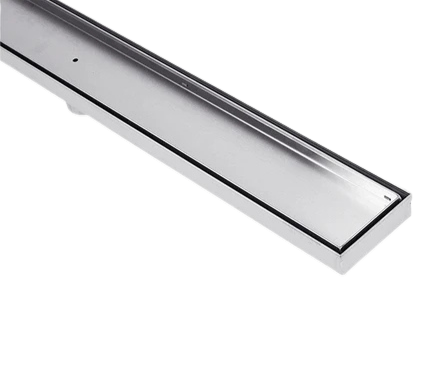
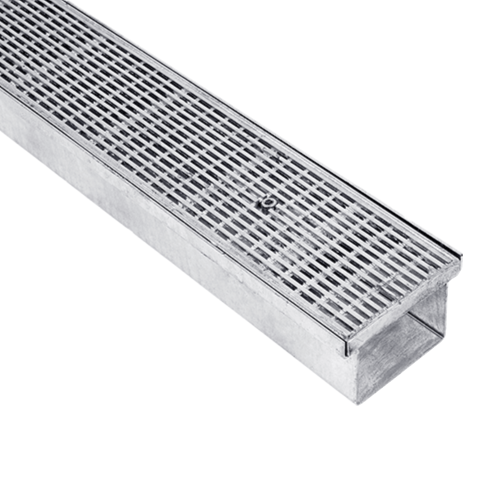
Longevity depends on directing water away from structure - not just during rain, but over decades. Proper flashing above and below openings, functioning weep paths, and drainage systems that don’t clog ensure moisture doesn’t sit where it shouldn’t. Dry buildings last. Wet ones don’t.
Longevity depends on directing water away from structure - not just during rain, but over decades. Proper flashing above and below openings, functioning weep paths, and drainage systems that don’t clog ensure moisture doesn’t sit where it shouldn’t. Dry buildings last. Wet ones don’t.
Ensure you follow these 5 steps and you'll have building products that get pulled out only when the building get's excavated!