

Balcony Drainage: Waterproofing, Grate Selection and Compliance
Water that pools on a balcony damages structural elements, stains ceilings below, and creates disputes that end up with the builder, waterproofer, and plumber pointing fingers.
The NCC (National Construction Code) requires balconies to be waterproofed and drained effectively. For builders, this means specifying the right drain type, integrating it with the waterproofing system, and ensuring adequate fall - before the tiler ever sets foot on the balcony.
What the NCC Requires
Under the current NCC (NCC2025), external balconies and terraces that are over habitable spaces must be waterproofed in accordance with AS4654.2. This includes:
- A waterproofing membrane across the entire balcony surface
- Adequate fall to drainage on a minimum 1:100 fall
- Drainage that prevents ponding and directs water away from the building
- Overflow provisions in case the primary drain blocks
Drain Types for Balconies
| Drain Type | Best For | Material | Width |
|---|---|---|---|
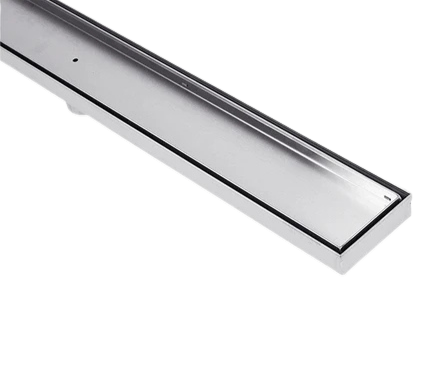
| Strip drain | Balcony edge, doorway threshold | Stainless steel on plastic base | 70–200 mm |
| Small floor waste | Central collection point | Stainless steel | 100 mm square |
| Slot drain | Architectural, concealed | Aluminium/stainless | 300 mm section |
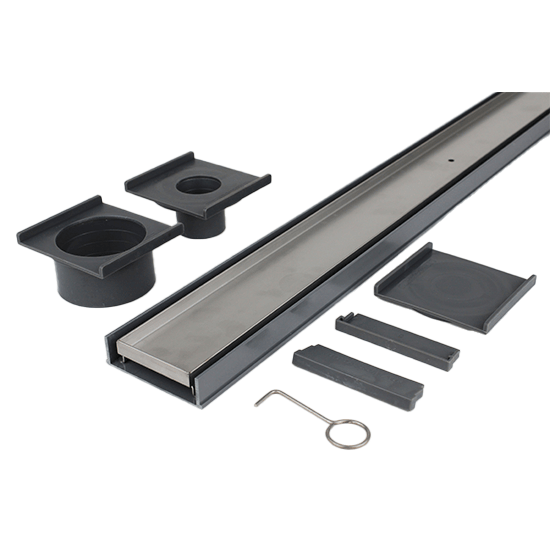
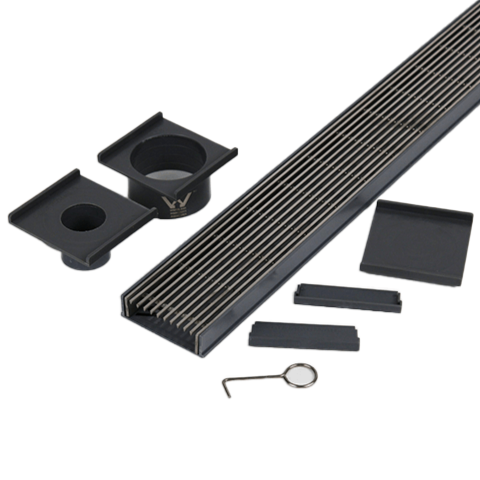
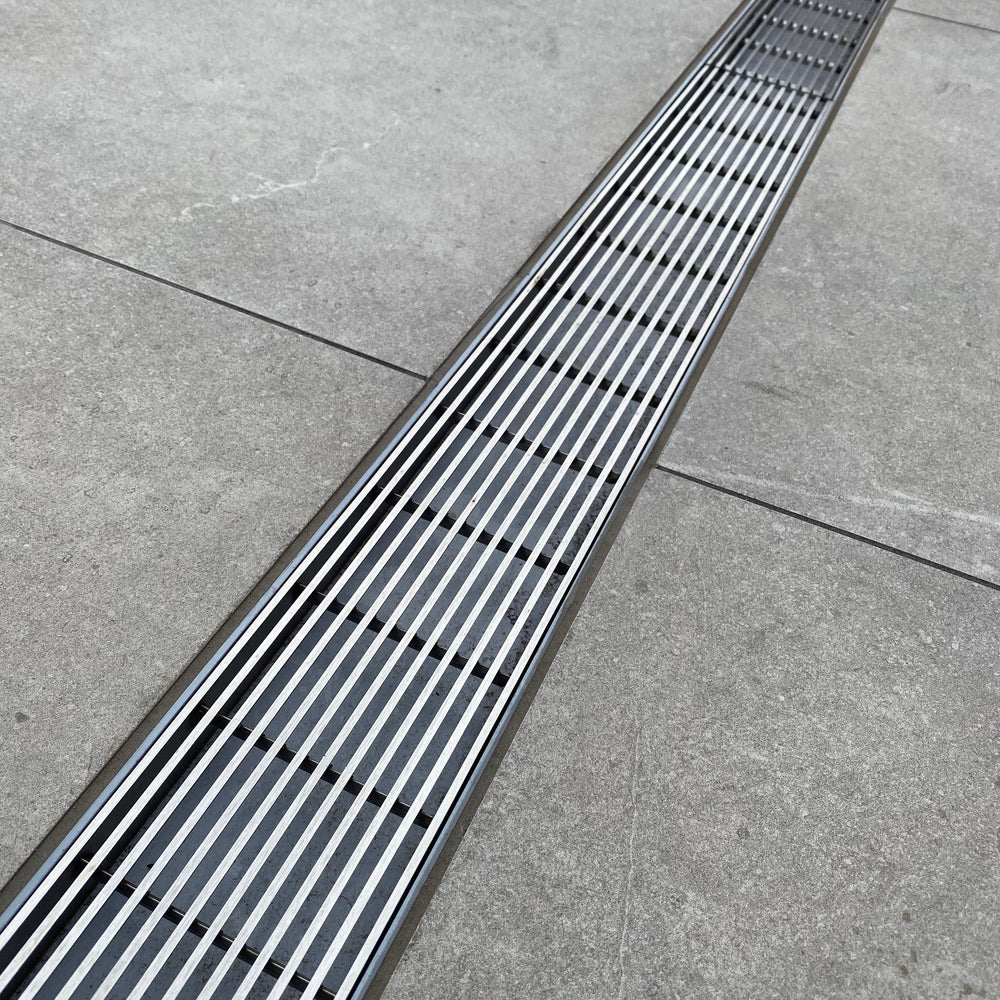
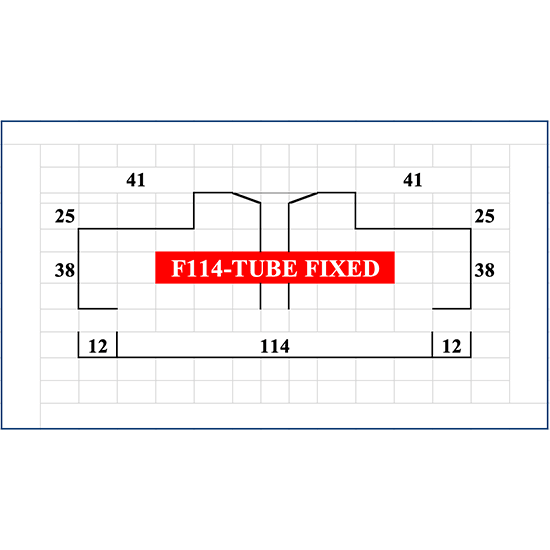
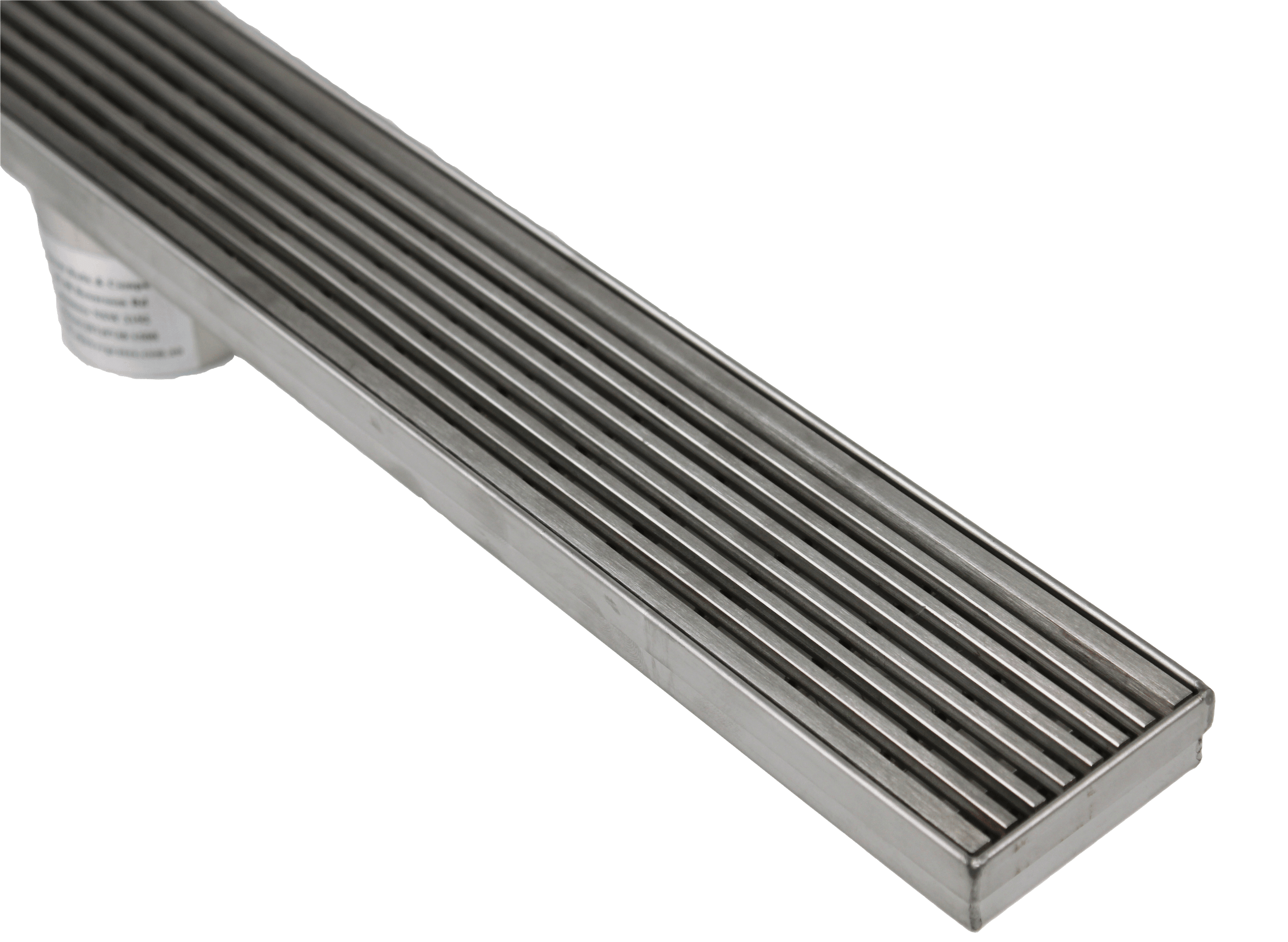
Strip drains are the most common choice for balconies. Their narrow profile sits at the balcony edge or across the doorway threshold, intercepting water before it can enter the building. The shallow depth suits the limited build-up height available on most balcony slabs.
Integrating Drainage with Waterproofing
The drain must form part of the continuous waterproofing system. This means:
- The waterproofing membrane must bond to or seal against the drain body
- No gaps or unsealed junctions between the membrane and drain
- The drain outlet must connect to a separate stormwater system - not the sewer
- The fall of the entire balcony surface must direct water to the drain, with no low spots that create ponding
Failure at the drain-to-membrane junction is the single most common cause of balcony water damage. Specify the waterproofing product and drain together - confirm compatibility before installation.
Frequently Asked Questions
Q: Do I need a separate overflow on a balcony?
Recommended. An overflow outlet provides a secondary drainage path if the primary drain blocks - preventing water from entering the building. This is required for balconies over habitable spaces.
Q: Can I use galvanised drains on a balcony?
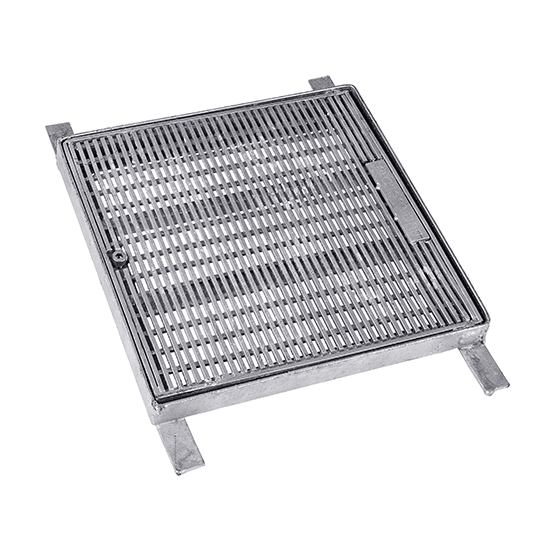
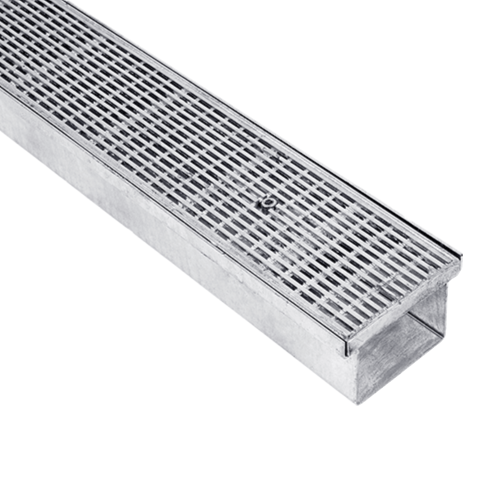
Yes. Galvanised is a functional and budget-friendly option for balcony drainage.
Q: What if the balcony slab has minimal build-up height?
Use a shallow-profile strip drain. The 70 mm x 23 mm strip drain from Vincent Buda and Company needs just 23 mm of depth - ideal for slabs with limited build-up.
Q: How quickly can I get balcony drains?
Same day delivery for Sydney Metro orders before 12pm.
Shop Balcony Drains
Shop Balcony Drains → buda.com.au/collections/balcony-grates-drains
Trust the Buda Since 1957.