

5 Lessons For Every Concreter
Five things that catch concretors out, and the call we would make on each. Get these right and the slab is a finished job, not a callback.
Lesson #1 - Aluminium, Plastic, Galvanised, Stainless Steel: Know when to use each material
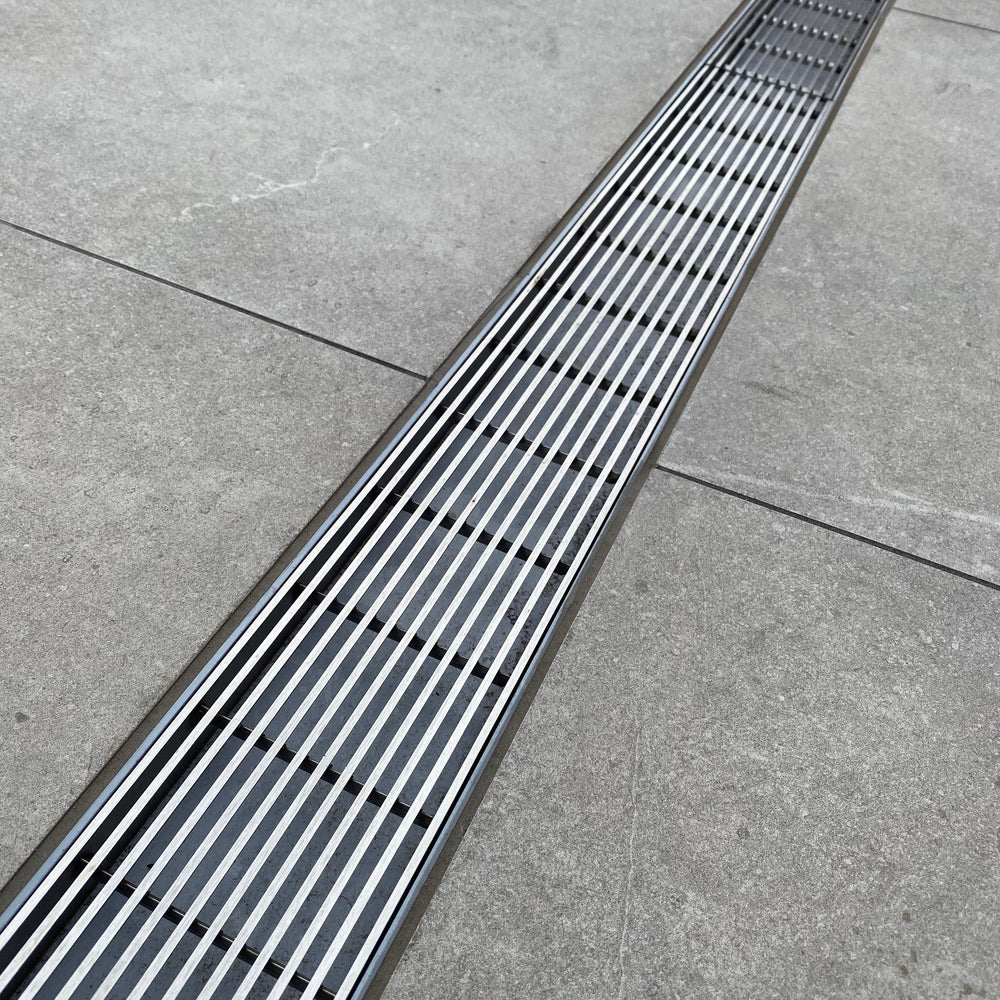
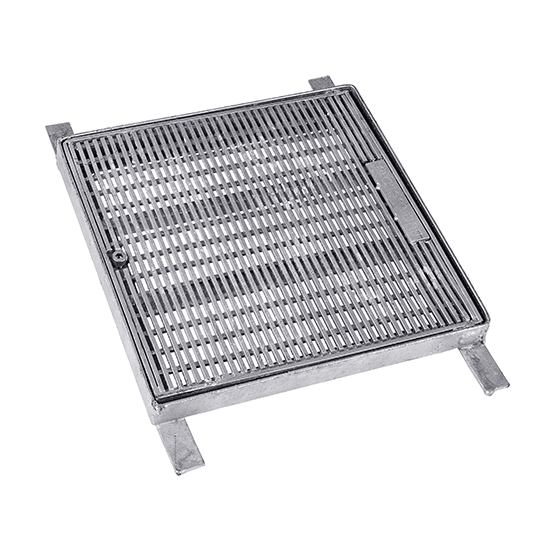
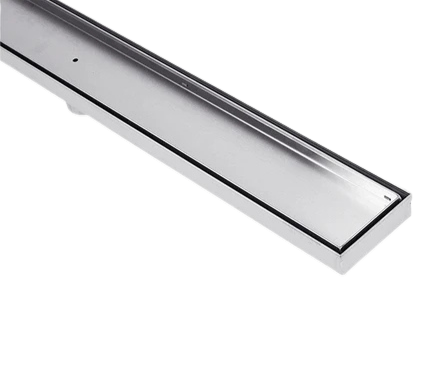
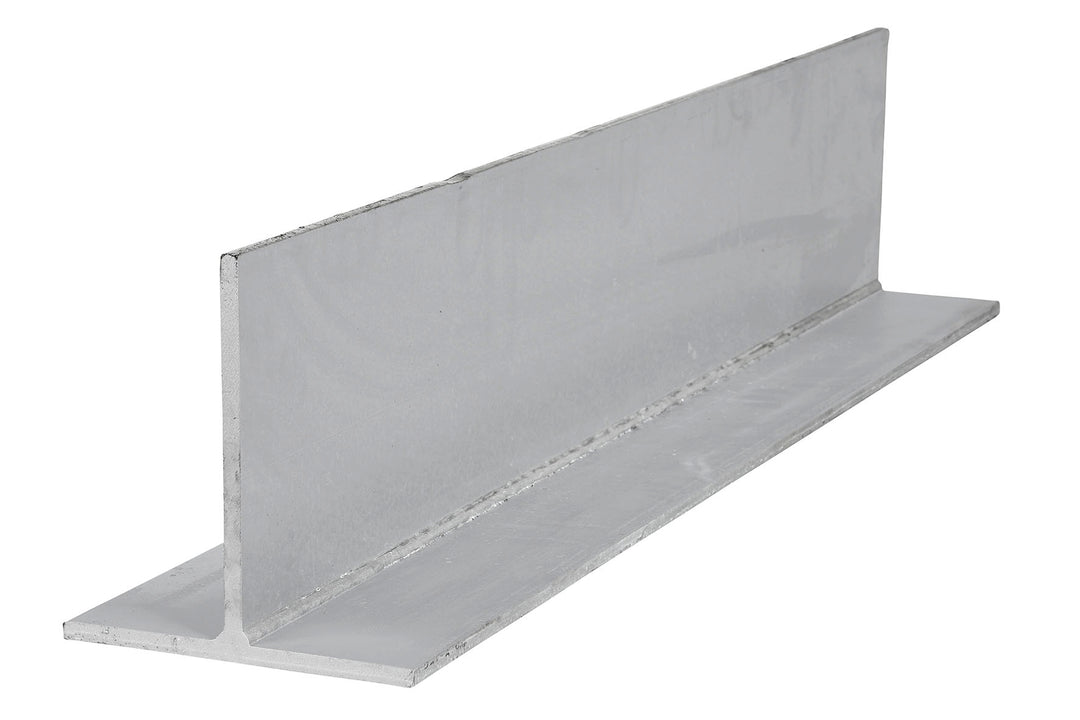
Four materials turn up in a slab and only some belong there. Galvanised steel is the one for a pour, traffic rated and built to lock in so it cannot lift as the concrete moves around it. Plastic is the one that lets you down, it warps under summer heat and vehicle weight and pops as the slab expands, and once that happens you are saw-cutting to get it out. Anodised aluminium suits the lighter spots, balconies and patios, not driveways. Where it is coastal or pool water is in the mix, step up to 316 stainless. For most slabs and driveways though, galvanised is the call, and against re-cutting concrete the extra cost barely registers.
Lesson #2 - No formwork, no fuss, that's why concretors reach for the box drain
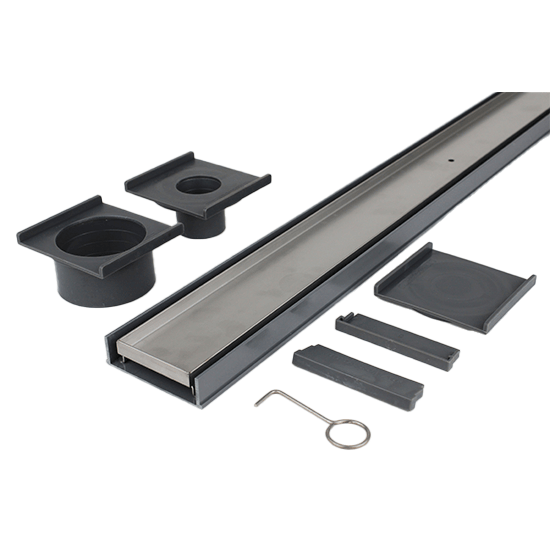
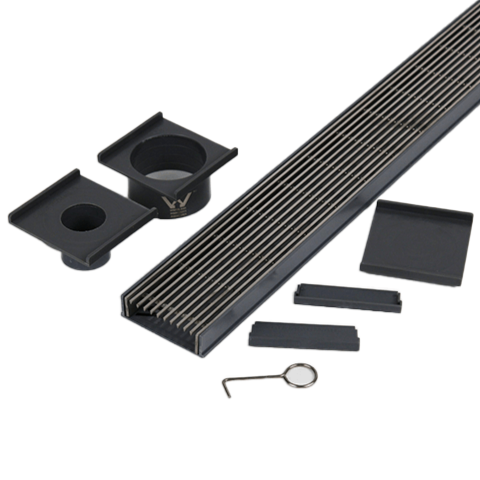
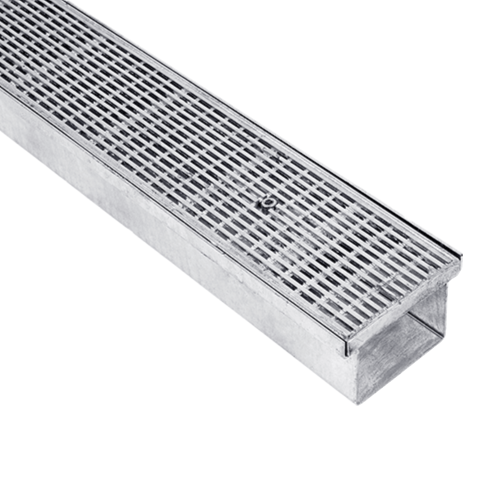
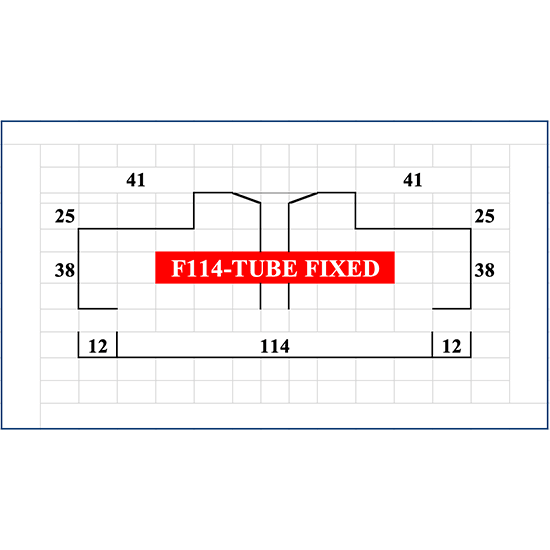
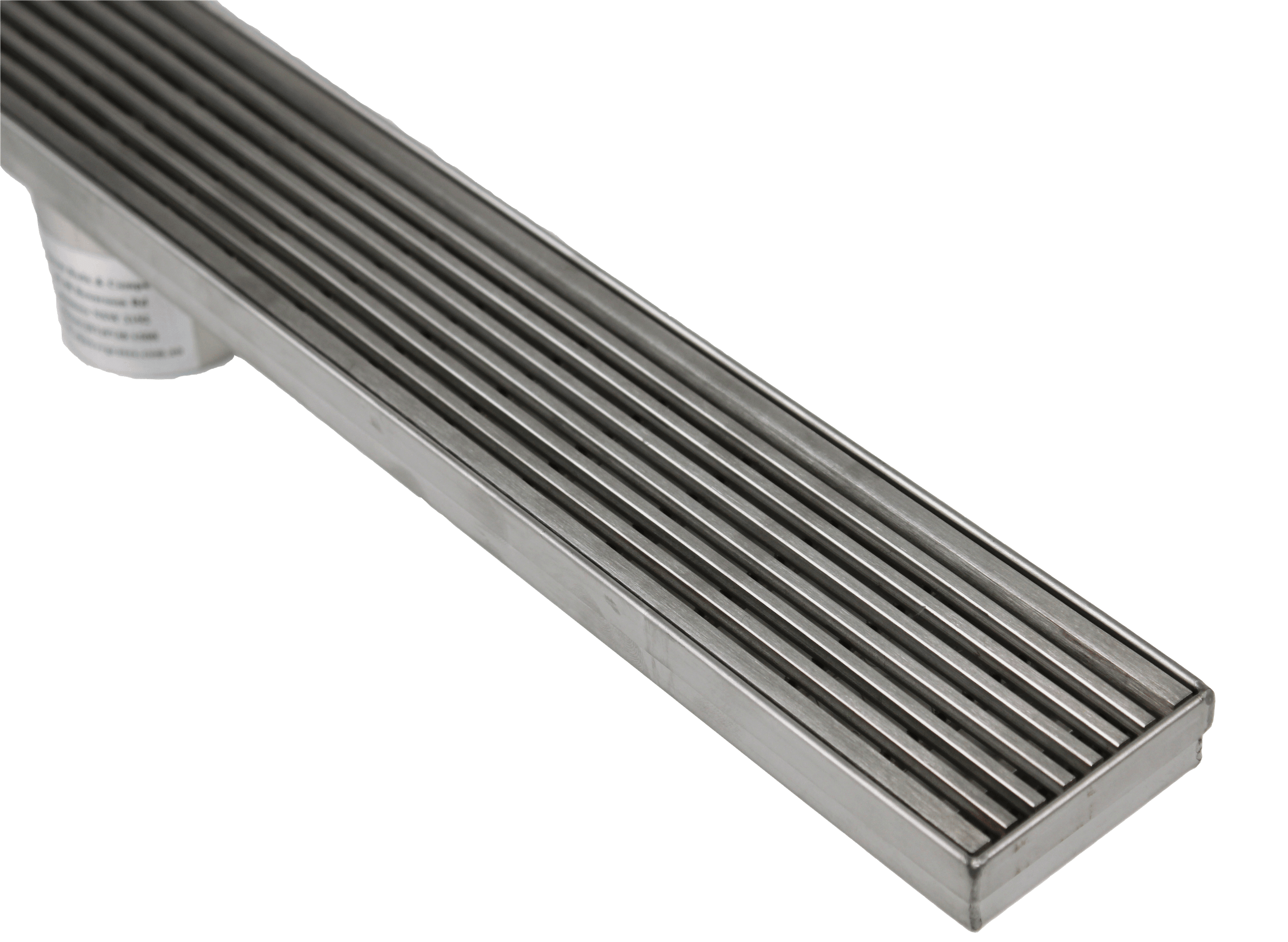
A box drain is the grate and its channel in one unit, so there is no forming up a separate channel, you set it to level, pour around it and you are done. That is why it is the easy pick for driveways, yards and balconies where you just want it in and finished. The other option is a trench grate, a frame only with no channel, so you form the channel out of concrete to whatever depth you need and the frame casts in for the grate to bolt onto. Trench is the call for long runs or where you need a deeper channel than the box comes in. For a standard job the box drain saves you the formwork and the fuss, which is exactly why it gets reached for.
Lesson #3 - Concretor's Tape, by Concretors for Concretors
Lay the tape over the grate before the pour and the concrete will not bond to it, so the grate lifts out clean and the finish stays sharp. Skip it and you are picking cured concrete off the bars with the job watching. Small habit, and it has saved a lot of grates. Same idea on any cut galvanised end, hit it with cold-galv spray, a bare cut edge is exactly where rust starts. And never acid-wash galvanised to clean it up, the acid takes the coating off with the dirt. The tape is made for this job, by people who have poured enough slabs to know where it goes wrong.
Lesson #4 - Class A to D, learn it now or explain the callback later
Grate load runs A to D under AS 3996:2019, and on a slab it is worth knowing cold. Class A is pedestrian only, paths and patios. A residential driveway is Class B, that is what carries the family car and the odd delivery van. Class C steps up to light commercial traffic, D is heavy trucks and plant. The trap is an untested grate sold as 'medium duty', it is not a class, it is a word, and if it folds under a car you are back cutting the slab open to swap it. Spec the class for the heaviest thing that will ever drive over it, then build to that. Learning this on the drawing is free. Learning it on the callback is not.
Lesson #5 - Same Day Delivery available, because a delayed delivery is a delayed pour
The pour is booked, the crew is there, the concrete is coming, and the last thing you need is a grate that has not turned up. Order before 12 and across Sydney metro it is same day, so the drainage is on site before the truck is. Box drains, grates, tape, channel, it is stocked and ready to move, not sitting on a lead time. Next day covers the rest of the country. We have supplied enough slabs to know a late delivery is not an inconvenience, it is a delayed pour and a crew standing around, so we move it like it matters. Because for you, it does.
Click and enter your details to get direct access