

5 Lessons For Every Builder
Five details we watched trip builders up this year. Small stuff that gets expensive once the wall is up, and how we would spec it.
Lesson #1 - Lintel bearing: 100mm minimum, 150mm for spans over 1.2m.
Give every lintel at least 100mm of bearing each end, and step up to 150mm once the span passes 1.2 metres. The bearing is the brick the lintel actually sits on, and short-bearing it loads too little brick, so the end drops a fraction and the courses above crack, usually months later when it is dear to chase. The longer the opening, the more bearing it wants, that is the whole rule. One thing we always say: a lintel is structural, so the size and the bearing come off your engineer's drawings, not off a blog. We are telling you what we see go wrong, not signing off your build.
Lesson #2 - Match the Lintel to the finish, and know your durability
What sits over the opening should match what goes on the wall. Face brick takes a Budabar, the plain galvanised angle with no holes. Rendered work takes a Renderbar, same bar but with holes punched in the underside so the render grabs and will not drum off later. On durability, every hot dip galvanised steel lintel we sell is rated R3 to AS/NZS 4680:2006, which is the right call for most jobs. Concrete lintels are not R3, that rating only applies to galvanised steel, but concrete holds up better in heavy coastal exposure, so near the surf it is often the smarter pick. Steel is lighter to lift in, concrete carries the fire rating. Pick for the wall in front of you.
Lesson #3 - Heelguard is a word, Budaguard™ is the standard
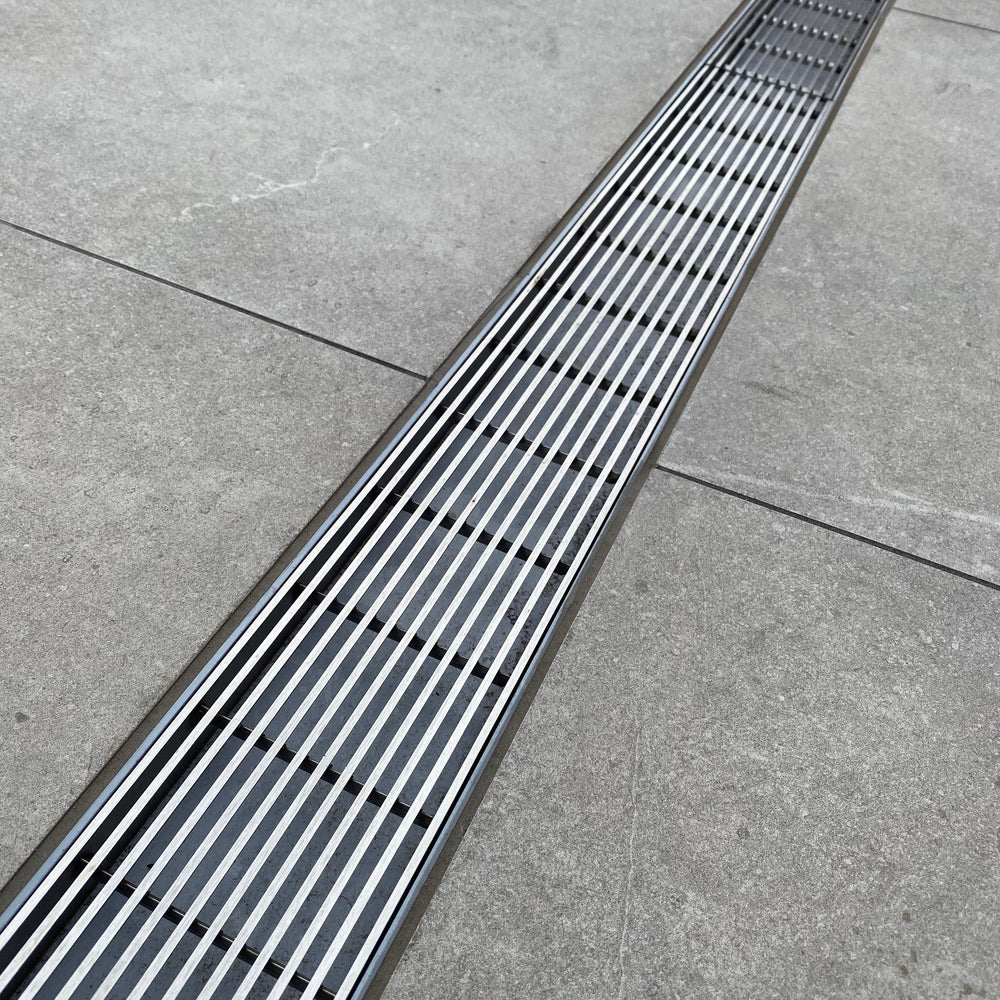
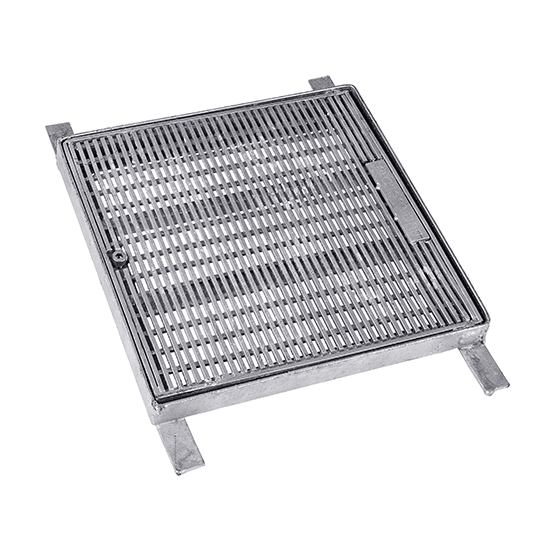
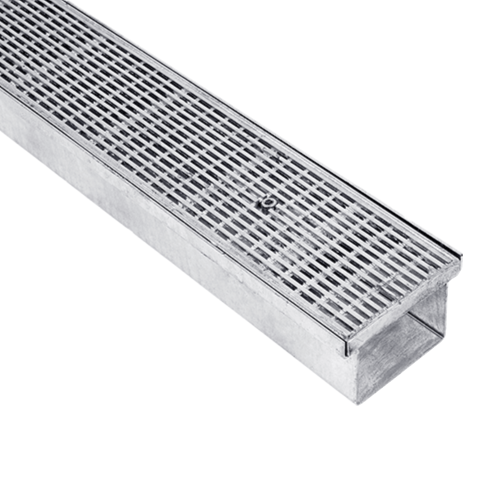
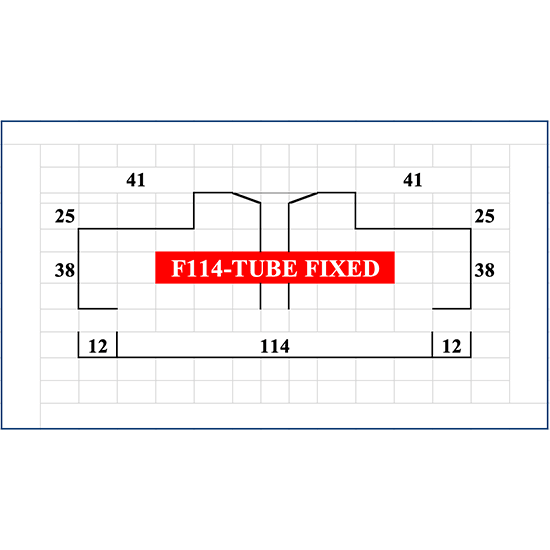
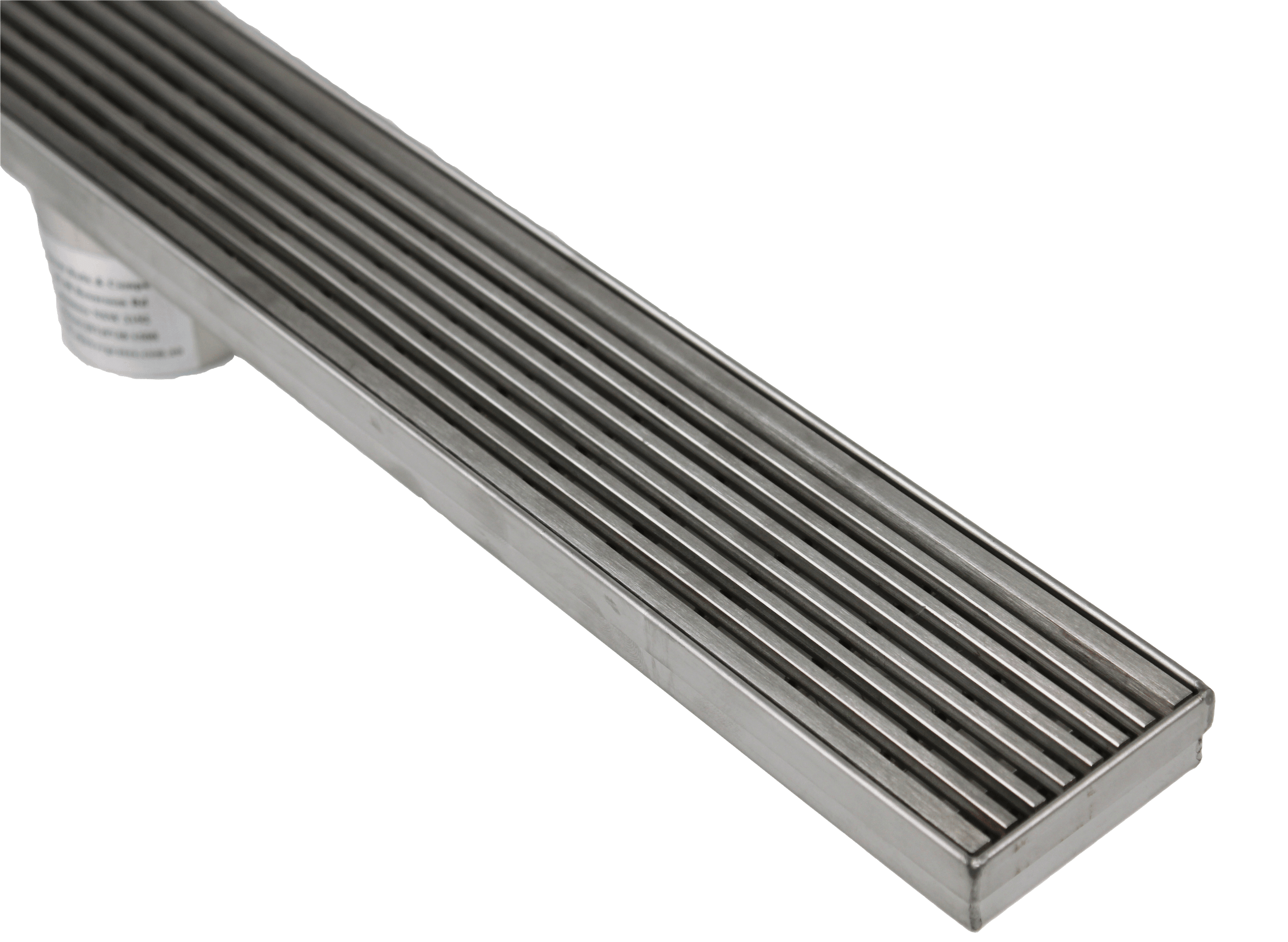
Heelguard is not a product, it is a description, any grate with gaps under 10mm so a stiletto or a work boot will not catch. Plenty of gear gets called heelguard. Budaguard is the one we build: fully hot dip galvanised wedge wire, square bars not round wire, Class B and anti-slip tested to AS 3996:2019, with two bolt-down points on every length so it cannot lift or float. When someone says 'just grab a heelguard', ask which one. The word tells you it is heel-safe. It does not tell you it has been galvanised properly, load tested, or locked down. Budaguard is all three.
Lesson #4 - Slip joint: small product, big consequence if it's missing
A slip joint is two galvanised strips, pre-greased and taped together, that you set in where brickwork meets a concrete slab or column. Brick and concrete move at different rates, and with no plane for them to slide on, that movement comes out as cracks in the mortar a few years down the track. The joint gives them the plane. It costs next to nothing and goes in during the day's work, but leave it out and the fix is re-pointing or worse once the crack shows. Sizes run 110, 140, 230 and 270mm, match it to the wall, single brick through to double brick with a cavity.
Lesson #5 - Order by 12, on site by 3, or the delivery's on us
Get the order in before 12 and across Sydney metro it is on site that afternoon, by 3. Miss that window and the delivery is on us. Outside metro you are looking at next day Australia-wide, and if you would rather grab it yourself it is ready for pickup from Belmore within four hours. The point is your crew should not be standing around waiting on materials. Lintels, T-bars, grates, drains, ties, it is in stock and on the shelf, not made to order while the clock runs. Plan the order the day before and the gear beats you to site.
Click and enter your details to get direct access