

5 Lessons For Every Bricklayer
Five details that decide whether brickwork holds up or cracks at the ten year mark. Here is how we would lay it.
Lesson #1 - Know your wall, double brick and cavity wall need different T-bars
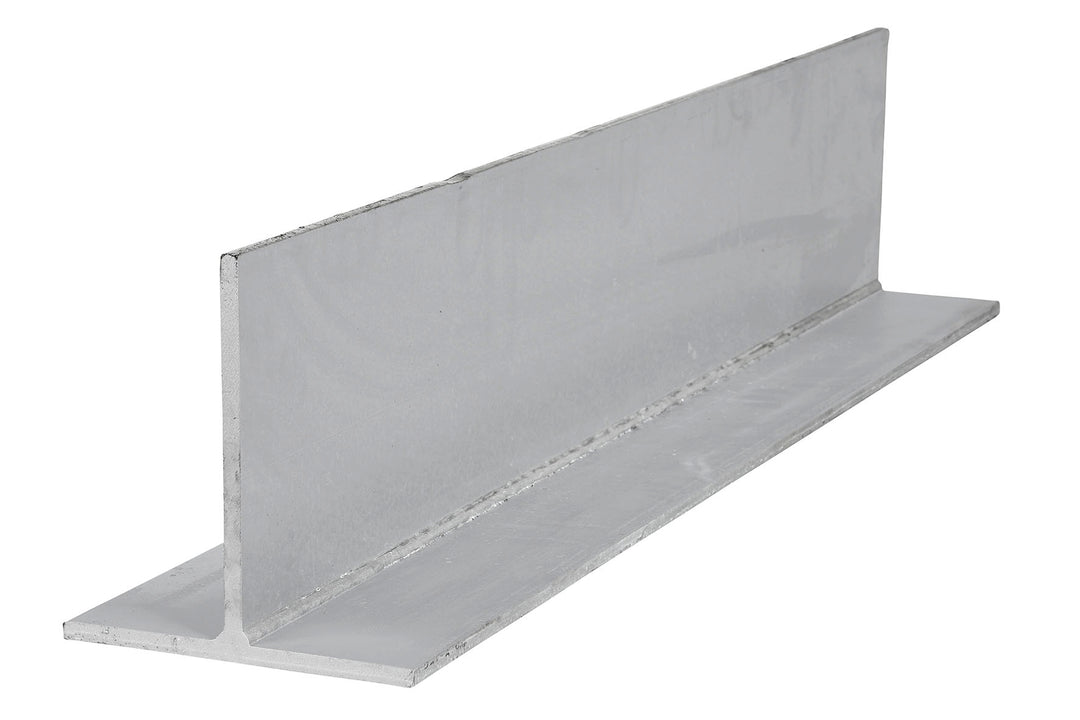
The T-bar you reach for depends on what the wall is actually built as. Double brick with no cavity is a 230 wall, and it takes the 230mm T-bar. Double brick with a 50mm cavity comes out at 270, and that is where the Maxi T-bar goes, it is profiled to sit across the wider wall and carry both leaves. Do not size it off the bar number alone, the Maxi is named for the 270mm wall it serves, not its own dimension. Measure the wall, cavity included, then pick the bar. Get the pairing right and the brickwork over the opening sits where it should. Get it wrong and the bar is either short on bearing or fighting the cavity.
Lesson #2 - Rough side down on a concrete lintel, the renderer will thank you for it
A concrete lintel has one face cast coarser than the other, and that coarse face is the one made for render to grab. On a rendered opening it wants to be down, on the soffit the renderer is working to, so the render keys in and stays put instead of drumming off down the track. Lay it smooth-face-down and you have handed the renderer a slick surface to fight. It is a ten-second call at install that the next trade either thanks you for or curses you for. While we are here, a concrete lintel carries a real fire rating, 60 minutes on the 110 by 80, 120 on the 170 by 110, so on a rated wall, check the lintel matches.
Lesson #3 - Lintel bearing: 100mm minimum, 150mm for spans over 1.2m.
Same rule the builders work to, and worth the brickie knowing it cold: at least 100mm of bearing each end of a lintel, stepping up to 150mm once the span is over 1.2 metres. The bearing is the brick the lintel actually sits on, and under-bearing puts the whole load on too little of it, so the end drops a fraction and the courses above crack. Longer the opening, more bearing it needs. If a lintel turns up looking short for the opening, stop and check it against the engineer's drawing before you lay the first course on top, because once the wall is up, fixing the bearing means pulling it down.
Lesson #4 - Red wall ties: 175mm for a 230mm wall, 225mm for a 270mm wall, the wall thickness decides
The red ties come in 175mm and 225mm, and the wall thickness picks the length, a 175 for a 230mm wall, a 225 for a 270mm wall with its cavity. The tie has to reach properly into both leaves to do its work, so a tie that is too short for the wall is barely holding. They are 470g per square metre heavily galvanised to AS/NZS 2699.1, built for a 50 year life, and coloured red so anyone on site can see at a glance the right tie went in. That red is not decoration, it is the check. Measure the wall, grab the matching length, and the veneer stays tied to the structure the way it is meant to.
Lesson #5 - One lintel or a full level, delivery in 2 hours or next week, we have you covered
Does not matter if it is a single lintel for one opening or the bars and ties for a whole level, the order gets handled the same way. Need it fast? Across Sydney metro we will have it to you in a couple of hours on the express run. Planning ahead for next week? Tell us and it is there when you want it, not before, so it is not sitting on your site getting in the way. Order before 12 for same day, next day covers the rest of the country, and it is all in stock and ready off the shelf. Small order or big, today or next week, that is on us to sort so you can keep laying.
Click and enter your details to get direct access